Synthetic Diamond Collection
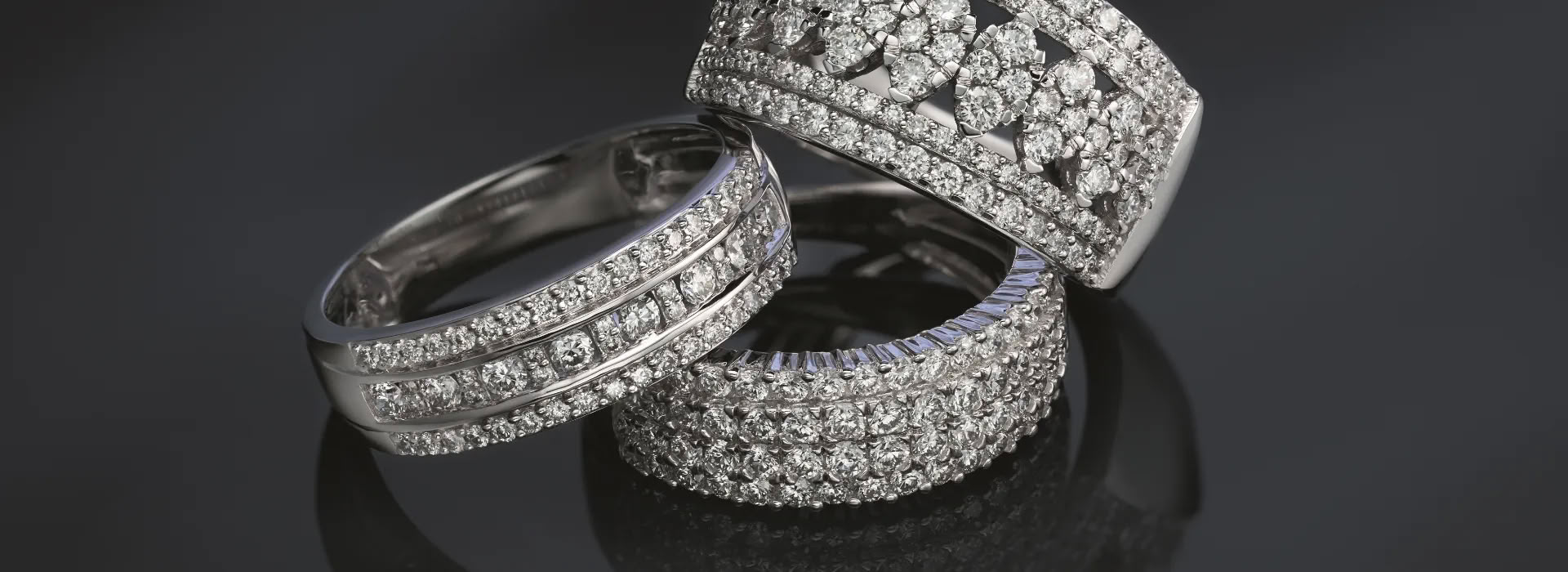
The diamond, an exceptional stone, is the stuff of dreams. A powerful symbol that has stood the test of time, the stone has been used to adorn the finest royal finery, and the virtues and legends attributed to it are countless. The gem's mines can now be found in every corner of the globe, as its use has become commonplace in the industrial world. In the jewelry industry, only a small fraction of the world's diamonds can be mined.
Over the years, man has attempted to reproduce this natural process in the laboratory, until the last 20 years, when production techniques have been perfected. Over the past 2 to 4 years, it has become possible to produce sufficient quantities of white synthetic diamonds to match the quality of natural diamonds.
SYNTHETIC DIAMOND

Technical innovation
From a fragment of natural diamond, it is now possible to produce synthetic diamonds for the jewelry industry.
A diamond is a composition of carbon atoms. In the natural process, diamonds are formed within the Earth itself, at a depth of between 150 and 200km, where the most extreme pressure and temperatures allow carbon to crystallize.
Since the 20th century, the process for synthesizing this stone has been fully developed. Depending on the size and color required, creation takes between 60 and 120 days in the laboratory.
Man-made synthetic diamond
Natural or synthetic, diamonds are identical both visually and chemically.
Only state-of-the-art equipment is capable of defining a stone's natural or synthetic origin. Laboratories equipped with these technical tools issue certificates when stones are large enough to be certified.
More accessible
With lower production costs, the price of synthetic diamonds is 30-50% lower than that of natural diamonds. This difference varies according to the cut, and the larger the cut, the greater the price difference.
Certified diamond
As with natural diamonds, gemologists certify synthetic diamonds as small as 0.50 carat.
HSI Quality
H color, SI clarity on the international diamond grading scale. It denotes a white, well-cut stone of good proportions. A guarantee of excellent quality.

Diamond and recycled gold innovation
Today, man is capable of reproducing in the laboratory what nature creates over thousands of years.
An alternative we'd like you to discover.
Beyond synthetic diamonds, this collection is designed with an equally precious material: recycled 750 gold. By favoring this already existing resource, we give gold a new life, contributing to a more sustainable approach to jewelry and watchmaking. This ecological approach is in line with our commitment to the environment and our desire to create unique pieces that combine elegance, ethics and sustainability.
THE ENTIRE COLLECTION
39 models
Sort by :
- Popularity
- News
- Rising price
- Price descending
- Promotions
- Top marks
- Bestsellers


