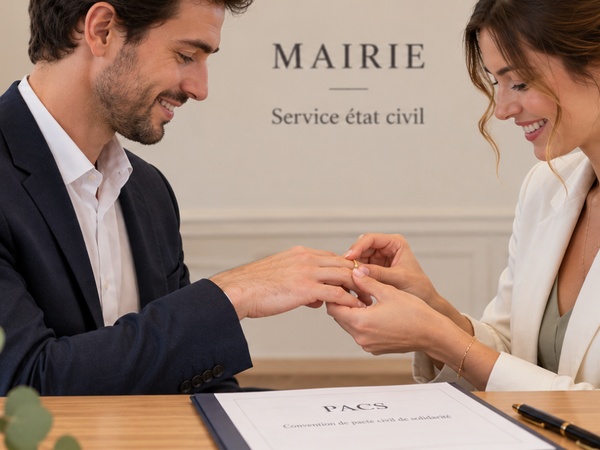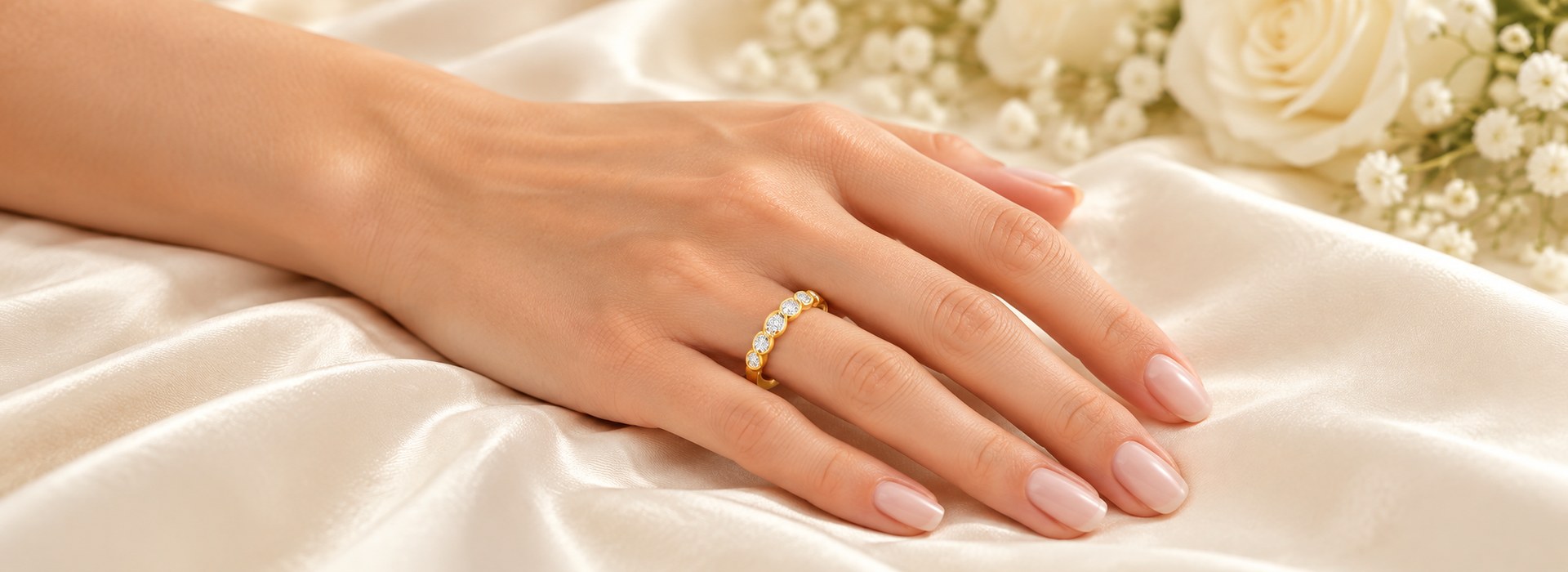
A symbol of the commitment made on your wedding day, the wedding band accompanies you through every moment of your life together. Whether delicate or bold, smooth, intricately crafted, or set with diamonds, choose one that reflects your style, your comfort, and how you’d like to wear it. Discover MATY’s women’s wedding bands in yellow, white, or rose gold; platinum; silver; or a combination of metals, and find the style that’s right for you.
How to Choose a Wedding Band?
Designed to be worn every day, a wedding band should be attractive, comfortable, and suited to your lifestyle. The choice depends on several factors:
-
the desired style—simple or more elaborate;
-
the possible presence of diamonds;
-
the color and type of metal;
-
the width and shape of the ring;
-
how it pairs with your engagement ring;
-
your ring size;
-
the budget you'd like to set aside for it.
Start by taking a look at the jewelry you wear regularly. Someone who is used to wearing delicate rings might prefer a subtle wedding band, while a wider ring or one with an intricate design would be a better fit for those who appreciate bold jewelry.
Also consider your lifestyle. If you use your hands a lot, look for frames that are comfortable, durable enough, and easy to wear every day.
EXPLORE OUR WEDDING RINGS FOR WOMEN >
A plain wedding band or a diamond wedding band?
The choice between a plain metal wedding band and a gem-set wedding band depends primarily on the desired sparkle and how it will be worn.
The sleek, understated, and timeless wedding band
A plain wedding band is usually a polished, brushed, matte, hammered, or slightly textured ring. Its simplicity highlights the metal’s color and allows it to pair easily with other jewelry.
It is a timeless choice for those who want a wedding band that is understated, comfortable, and easy to pair with their engagement ring. It can also be engraved with a date, initials, or a personal message on the inside of the band.
The diamond wedding band for more sparkle
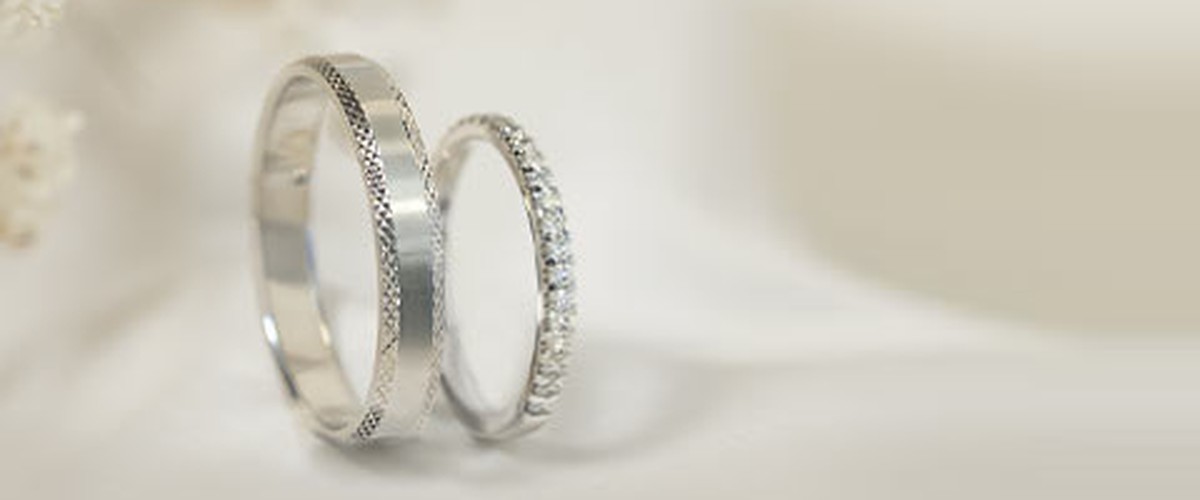
A diamond-set wedding band adds extra sparkle to the hand. The diamonds can be set along part of the band or all the way around it.
The half-round band features gemstones concentrated on the visible part of the finger. It allows you to enjoy their sparkle while retaining a section of plain metal on the back of the ring. Depending on the design, this configuration may also make it easier to resize the ring in the future.
On a full-circle wedding band, diamonds encircle the entire ring. The result is particularly dazzling, no matter how you hold the ring. However, resizing it can be more complicated, so it’s important to measure your finger size accurately before choosing one.
EXPLORE OUR DIAMOND WEDDING RINGS >
Natural diamond or synthetic diamond?
Natural diamonds were formed deep within the Earth over an extremely long period of time. Synthetic diamonds, also known as lab-grown diamonds, are created in an environment that replicates the conditions necessary for their formation.
Both possess the physical properties and brilliance characteristic of diamonds. Synthetic diamonds, which are generally more affordable, may allow you to choose a higher carat weight for the same budget. Your choice will depend on your preferences, your budget, and the value you place on the stone’s origin.
What metal should you choose for a women's wedding ring?
The type and color of the metal affect the appearance, price, and maintenance of the wedding band. To help you make your choice, consider the jewelry you already wear and, if applicable, the metal of your engagement ring.
Yellow Gold
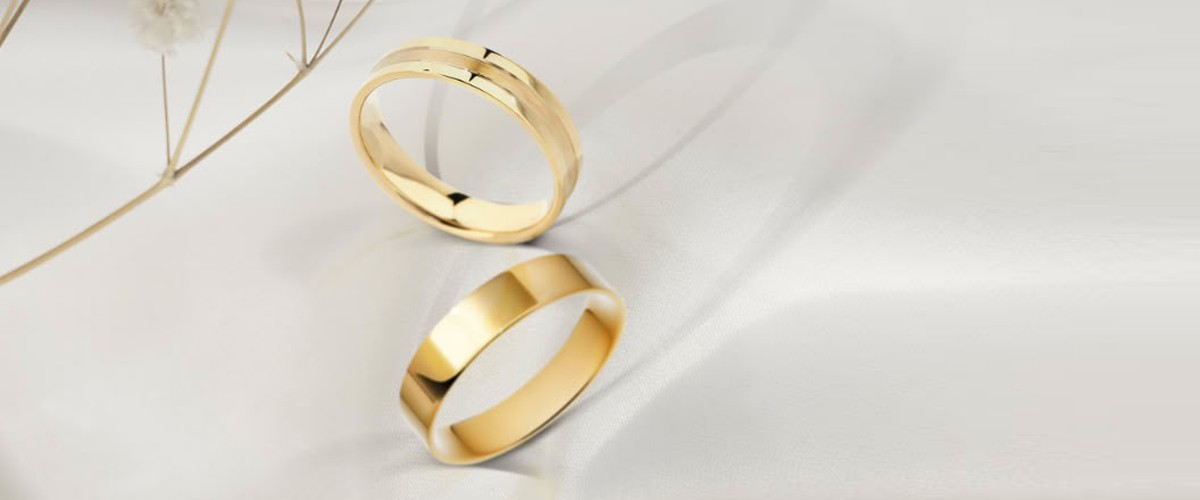
EXPLORE OUR YELLOW GOLD WEDDING RINGS >
Warm and timeless, yellow gold is traditionally associated with wedding rings. Its color complements warm skin tones and creates an elegant contrast with diamonds.
It is particularly well-suited for people who appreciate classic jewelry, vintage-inspired designs, or golden hues.
White Gold
IMAGE
White gold has a bright, contemporary look. Its light hue complements diamonds beautifully and pairs effortlessly with a white-metal engagement ring.
Depending on its finish and how it is worn, a white gold wedding band may require periodic care to maintain its full luster.
Rose Gold
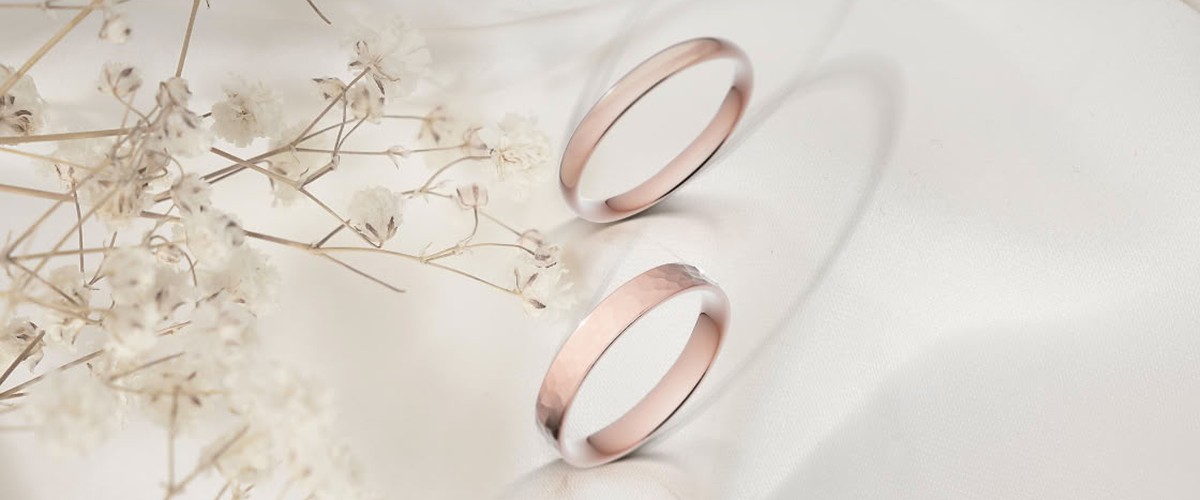
DISCOVER OUR ROSE GOLD WEDDING RINGS
Soft and warm, rose gold adds a unique touch to the wedding band. Its delicate hue complements both romantic styles and more modern designs.
It can be worn on its own or paired with a white or yellow gold ring to create a subtle contrast.
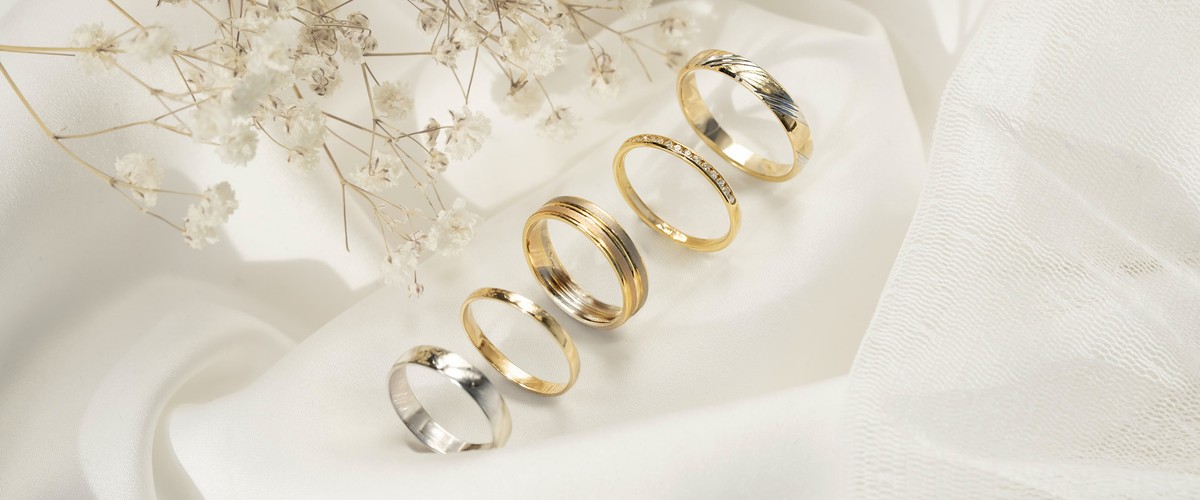
Wedding rings in two or three shades of gold
A wedding band that combines several shades of gold creates a more striking visual effect. It also helps tie together pieces of jewelry in different shades.
This option may be particularly well-suited if you like to alternate between yellow gold, white gold, and rose gold, or if your engagement ring itself combines several metals.
Platinum
Naturally white, dense, and durable, platinum is prized for jewelry intended to be worn for a long time. Its color enhances the beauty of diamonds and does not rely on a white surface coating.
Rarer and generally more expensive than gold, it is ideal for those seeking a precious metal with greater weight and a more striking presence.
Money and Steel
Silver and steel make it possible to choose an elegant wedding band on a more affordable budget. They are suitable for a wedding, a civil partnership, or a couple who prefers a simple, contemporary material.
However, silver requires regular care, as it can naturally tarnish when exposed to air and moisture.
375 gold or 750 gold: What's the difference?
375 gold contains 375 thousandths of fine gold, while 750 gold contains 750 thousandths. This difference in composition primarily affects the metal’s value, its weight, and the price of the alloy.
More affordable, 375 gold allows you to choose genuine gold jewelry while staying within your budget. 750 gold, also known as 18-karat gold, contains a higher proportion of fine gold and holds a traditional place in the jewelry industry.
The best choice isn't based solely on the carat weight. Also consider the ring's width, finish, comfort, design, and whether it has any gemstones.
What width and shape of wedding band should you choose?
The width directly affects the style and feel of the wedding band on your finger.
A wedding band that is 2 to 3 mm wide generally has a slim, understated look. It pairs easily with an engagement ring and is ideal for people who are used to wearing delicate jewelry.
A ring that is 4 mm or wider has a more striking presence. It can be worn on its own or chosen to highlight a particular finish, a combination of metals, or an intricate design.
The shape of the ring also affects its comfort:
-
A ribbon wedding band has a fairly flat, contemporary design;
-
A semi-domed wedding band combines a slightly rounded surface with a balanced profile;
-
A half-band wedding ring has a more rounded outer shape;
-
A so-called “comfort” wedding band features a specially designed interior that makes it easier to slip on and wear the ring.
These guidelines are general: the fit varies depending on the shape of your hand, the width you choose, and the thickness of the ring. Trying on rings is therefore the best way to find the style that’s right for you.
How do you match your wedding band with your engagement ring?
The wedding band and engagement ring don't have to be exactly the same. Above all, they should form a harmonious and comfortable set.
Choose a complementary metal color
Pairing two pieces of jewelry made of the same metal creates a cohesive look. A white gold engagement ring can therefore be worn with a white gold or platinum wedding band.
However, it is entirely possible to mix different shades of gold. A yellow gold wedding band can provide a warm contrast to a white gold engagement ring, while a two-tone design creates a smooth transition between the two pieces of jewelry.
Check the condition of the two rings
Take a look at the base of your engagement ring's setting. If the setting is raised high enough, a straight wedding band can usually fit snugly against it.
If the central design extends very low or protrudes on the sides, a gap may appear between the two rings. A wedding band that is curved, contoured, or has a suitable shape will fit better with the engagement ring.
Creating a Balance Between the Stones
An engagement ring set with many stones can be paired with a plain wedding band to balance the overall look. Conversely, a diamond-set wedding band can enhance the sparkle of a sleek solitaire.
Also make sure that the prongs, stones, or edges of one ring do not rub excessively against the other. Repeated contact could eventually leave marks on the metal.
Does the wedding ring have to match their partner's?
A couple's wedding rings can match, but this is not a requirement. Each person can choose the style that best suits their personal taste and lifestyle.
To create a connection between two different alliances, you can focus on a common element:
-
the color of the metal;
-
a polished, matte, or brushed finish;
-
an identical engraving;
-
a subtle pattern;
-
a similar width;
-
a combination of several shades of gold.
This way, you’ll have two pieces of jewelry that are personal to you and maintain a symbolic connection.
How do you find out your wedding ring size?
A properly fitting wedding ring should slide over the knuckle without undue difficulty and then remain stable enough at the base of the finger. It should neither rotate constantly nor pinch the skin.
To determine your size, you can measure a ring you already wear on the same finger using a ring sizer. Please note: the fingers on your right and left hands are not always exactly the same size.
Ideally, take the measurement when your hands are at normal temperature. Cold can temporarily reduce the circumference of your finger, while heat or physical activity can cause it to swell.
For a wide wedding band, you may need a slightly larger ring size than you would for a very thin ring. If you're unsure, try on several sizes and ask a jeweler for advice.
Also check to see if the ring can be resized before you buy it. Wedding bands with a lot of gemstones, those made up of multiple bands, or those with a continuous design may be more difficult to resize.
How much should you budget for a women's wedding band?
There is no set budget for choosing a wedding ring. The cost depends primarily on your budget and the features you want to prioritize.
The price may vary depending on:
-
the type and purity of the metal;
-
the weight and width of the ring;
-
the presence of natural or synthetic diamonds;
-
the number and weight of the stones;
-
the complexity of manufacturing;
-
the finishing touches and customization of the model.
With a set budget, a plain 375 gold wedding band, for example, allows you to prioritize simplicity and the quality of the metal. A diamond-set wedding band made of 750 gold or platinum will generally represent a more significant investment.
Use the filters for material, color, size, and price to compare models that meet your criteria.
Personalize Your Wedding Band with an Engraving
Engraving allows youto make your wedding band unique and to inscribe a memory that only you will know. MATY offers this service.
In particular, you can choose:
-
your initials or first names;
-
the date of the wedding or when they met;
-
a symbolic word;
-
a brief statement;
-
a symbol or design selected from the available options.
Before submitting your text, check the allowed character limit, which depends on the width and size of the ring. A short phrase will generally be easier to read.
Why choose a MATY wedding band?
A designer jewelry maker since 1951, MATY offers women’s wedding bands to suit a variety of styles, materials, and budgets. The collection includes plain and gem-set designs in 375 or 750 gold, platinum, and silver, as well as wedding bands that combine two or three shades of gold.
Many of the designs are made from recycled gold, and some models are crafted in France. Engraving allows you to personalize your wedding band with a date, initials, or a meaningful message.
MATY's services also help you determine your ring size, explore resizing options, and care for your jewelry over the years.
Frequently Asked Questions About Women's Wedding Rings
On which finger do you wear your wedding ring?
In France, wedding rings are traditionally worn on the ring finger of the left hand. However, it is also possible to wear one on the right hand or on another finger, depending on one’s preferences, habits, or cultural background.
In what order should you wear your wedding band and engagement ring?
Traditionally, the wedding band is usually worn first, closest to the finger, with the engagement ring worn on top of it. However, this isn’t a rule: choose the order that’s most comfortable and looks best to you.
Can you mix different shades of gold?
Yes. Yellow gold, white gold, and rose gold can be combined on the same hand. You can choose a wedding band that contrasts with your engagement ring or opt for a two-tone wedding band to blend several shades.
Can a diamond engagement ring be resized?
It depends on the arrangement of the stones and the design of the band. A half-round wedding band can sometimes be resized using the part of the ring that isn't set with stones. A full-round wedding band is generally much more difficult to resize. Be sure to check this before making your purchase.
When should you choose your wedding rings?
It's best to plan ahead when purchasing them so you have enough time to try them on, order the right size, and have them engraved. The estimated delivery time depends on the model you choose, its availability, and any customization options.
Should you take off your wedding ring in certain situations?
Although it is designed to be worn every day, it is recommended that you remove your wedding ring during activities that could expose it to impacts, scratches, chemicals, or heavy pressure. This includes, in particular, certain types of manual labor, sports, or the use of harsh household cleaning products.
Men's Wedding Rings