How to choose your watch
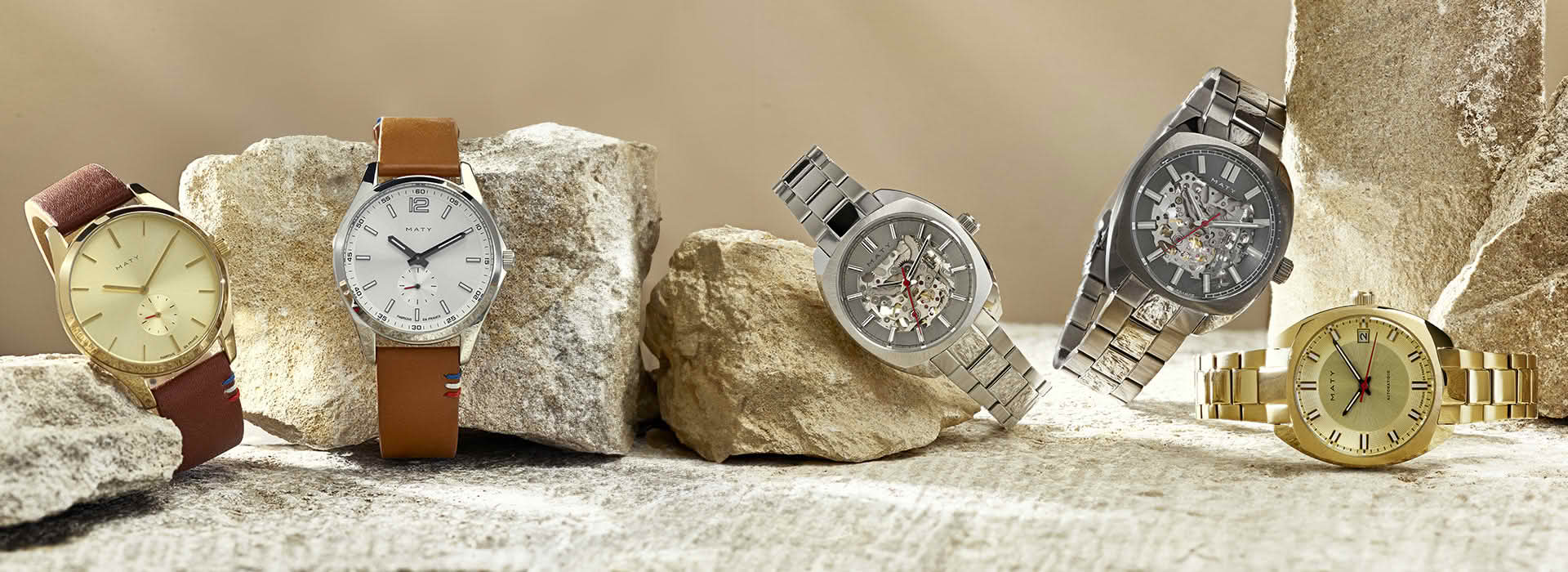
The world of watchmaking is so vast that no one can blame you for getting lost in it. From the different types of mechanisms, to the shape of dials, to the material of bracelets and pure aesthetics, there are many criteria involved in the difficult quest for the perfect watch. Here are a few tips to guide you through this great and beautiful treasure hunt.
Watch with mechanical or quartz movement
The mechanical watch
The operation of a mechanical watch is ensured by the parts that make it up, each of their movements being strictly linked to those of the others. At the heart of this "natural" mechanism, a hundred or so small elements work together, the main ones being the spring, the gear train, the escapement, the balance wheel, the winding stem and the rotor.
The wheels and balance wheel of a mechanical watch contain numerous jewels. They serve to limit friction within the movement of a mechanical watch, and therefore rubies ensure its smooth running and reliability over time. Ruby is chosen to be at the heart of the mechanism of these watches because it is the strongest and hardest stone after diamond. The rubies used in these watches are, however, synthetic rubies: they have the same properties as rubies, but they are man-made. It's not because a mechanical watch has many rubies that it will necessarily be more expensive. On the contrary, the more rubies your mechanical watch movement has, the more complex and reliable it is.
The first watches to embrace the wrist, they appeal to watch enthusiasts not only for their history, but also for the aesthetics of their increasingly visible gears through the dials. On the plus side, in addition to the prestige of tradition and craftsmanship, these watches have a long service life if properly maintained, and do not require batteries but can be wound. However, maintenance is more delicate than that of a quartz watch, as the latter is linked to the operation of the multiple parts that make up the mechanism.
Manual or automatic?
If you've chosen a mechanical watch, there's a second choice to make: automatic or manual?
A mechanical watch must be wound in order to function: the spring that drives the movement must be re-tensioned. There are two ways of doing this:
Manual winding: the crown of the watch must be turned about thirty turns every day.
Automatic winding: mechanical watches are called automatic when the movement of the wrist is used to wind the mainspring. The oscillating weight moves thanks to the movement of the wearer. Its rotation turns the wheels and tensions the spring.
3 things to know about automatic mechanical watches :
An automatic watch stops after a few days if it is not worn, or not sufficiently in motion. So if you have several watches and alternate between them, it is possible that the automatic movement of your watch will stop when you take it back. In this case, you need to wind your automatic watch manually, and once a week if you wear it every day.
The automatic winding system imposes an extra thickness on the watch.
An automatic watch requires greater care and attention, due to the design of its mechanism, made up of several interlocking parts. Violent shocks and vibrations can disrupt the mechanism.
Automatic watch selection

TISSOT T-CLASSIC PRX POWERMATIC 80 automatic men's watch black dial stainless bracelet
775€

Mixed skeleton automatic steel watch steel bracelet
289€

Lip automatic men's watch steel black leather strap
429€

MATY women's automatic watch, blue leather strap
219€

CITIZEN tsuyosa men's automatic watch grey steel bracelet
299€

Lip women's automatic stainless steel watch with orange leather strap
429€

LIP men's automatic watch, orange rubber strap
1099€

LACOSTE.12.12 automatic women's watch, green leather strap
249€

FOSSIL men's automatic watch steel bracelet anthracite grey
289€

LIP Général de Gaulle unisex automatic watch, brown leather strap
449€

Pierre Lannier men's automatic steel leather watch set
219€

PIERRE LANNIER automatic women's watch, grey stainless steel bracelet
249€

HUMBERT-DROZ hd10 men's automatic watch, black leather strap
€872 €1,090 (-20%)

TISSOT T-SPORT SEASTER 1000 automatic men's watch blue dial black synthetic bracelet
845€

TISSOT T-CLASSIC LE LOCLE POWERMATIC 80 automatic men's watch black dial black leather strap
675€
The quartz watch
Unlike its mechanical competitor, a quartz watch requires a battery to operate. Activated by a thin quartz plate under the impulse of electricity supplied by the battery in question, this watch can be presented in analog form with hands, or in digital form.
More precise than mechanical watches, they require no maintenance other than changing the battery every two years or so. Because they use electronic components, their lifespan is shorter than that of their competitors. Closely linked to technology, quartz watches also have the advantage of a multitude of properties. As a result, they are very popular with sports enthusiasts, who are delighted by the ease of reading the digital display, stopwatches and other additional functions.
Quartz watch selection

BOSS Trace men's watch stainless steel bracelet yellow gold
351,20 439€ (20)

Balmain women's watch pink steel pink leather
€368 €460 (-20%)

Raymond Weil Toccata men's watch steel black leather
730€

Herbelin women's steel and leather set
461,30 659€ (30)

DIESEL cliffhanger men's watch with black leather strap
231,20 289€ (20)

CLUSE BLACK FRIDAY 25 Ladies watch white dial gold stainless steel bracelet
129,95€

Diesel men's watch chronograph steel gold yellow
239,20 299€ (20)

MATY Women's Watch with Black Leather Strap
85€

Herbelin Newport men's two-tone steel watch with blue leather strap
371€ €530 (-30%)

FOSSIL raquel ladies' watch silver stainless steel bracelet 23 mm dial
179€

Swatch watch in biosourced material grey
€116 €145 (-20%)

SWATCH essentials watch mixed blue dial blue silicone strap
120€

Flik Flak summer splash kids watch blue silicone bracelet
66€

DIESEL split men's watch with brown leather strap
289€

HERBELIN Art Deco ladies' watch with black leather strap
294€ €420 (-30%)
How precise?
Depending on the type of movement, each type of mechanism has an operating tolerance:
Mechanical manual: 5 to 30 seconds offset per day
Mechanical automatic: plus or minus 1 to 2 minutes offset per week
Quartz: plus or minus 20 seconds offset per month
Beyond these amplitudes, the mechanism of your watch needs adjustment, or even an overhaul.
Swiss, Japanese or French watches
Swiss watches
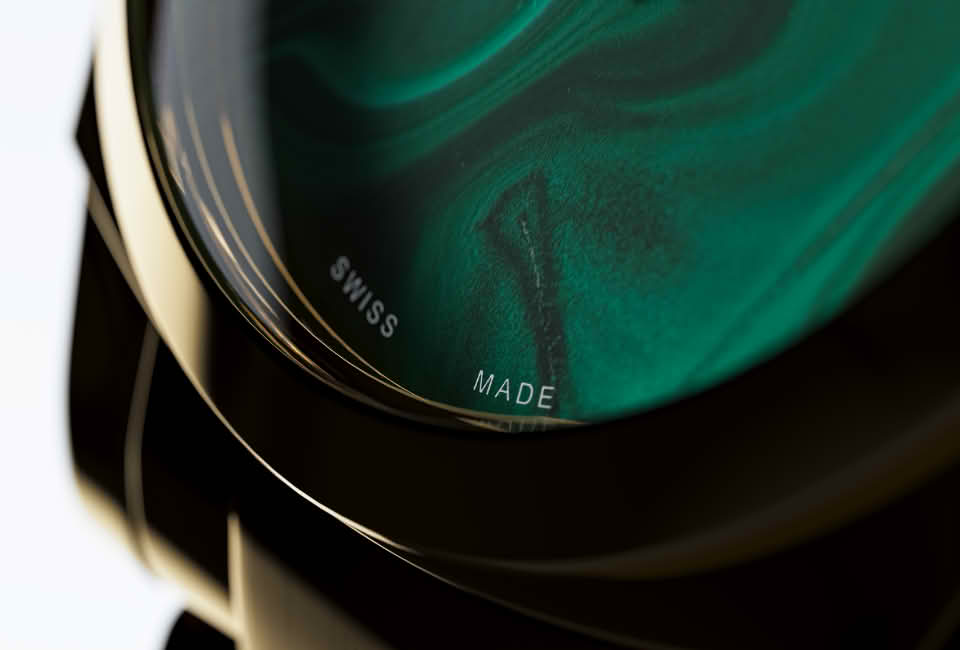
Swiss watches are the most renowned in the world, and for good reason. Their precision, their resistance, the quality of their mechanisms and components, their longevity... all these criteria have proven their worth. Because it is unique, the prestige of the Swiss watch is today hidden behind the "Swiss Made" label, which requires manufacturers to respect strict criteria of quality and origin. This rigor is unsurprisingly reflected in higher-than-average watch prices.
Japanese watches
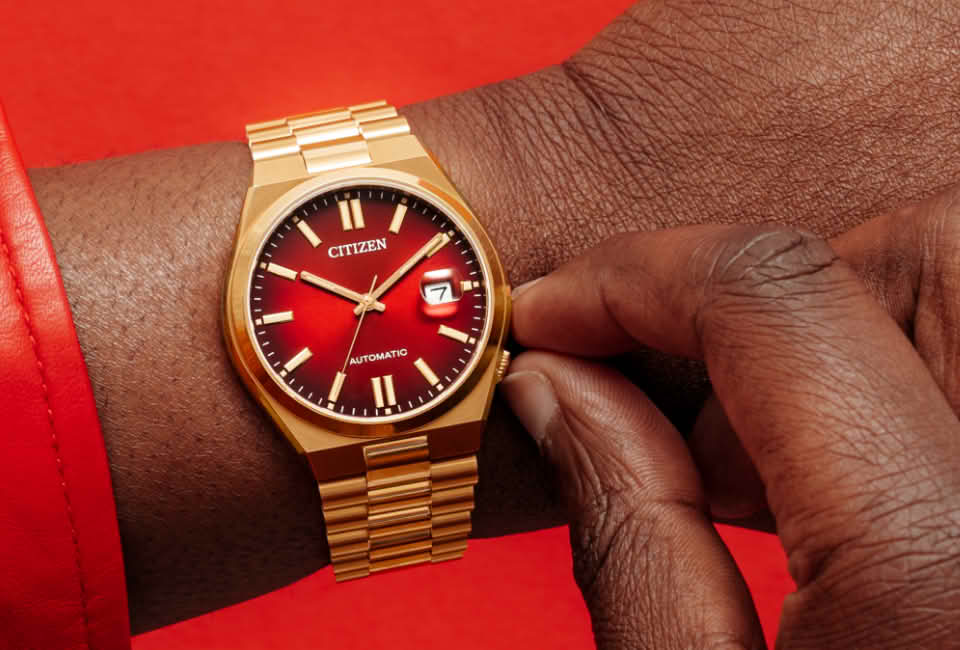
Japanese watchmaking may not have the reputation of its Swiss counterpart, but it is often underestimated. In fact, it is particularly advanced in quartz movement technology, which it is constantly developing. So, while Japanese watches are generally classified in lower ranges due to production lines less linked to prestige and craftsmanship, their mechanisms are generally flawless, and known to enthusiasts for their quality and precision.
French watches
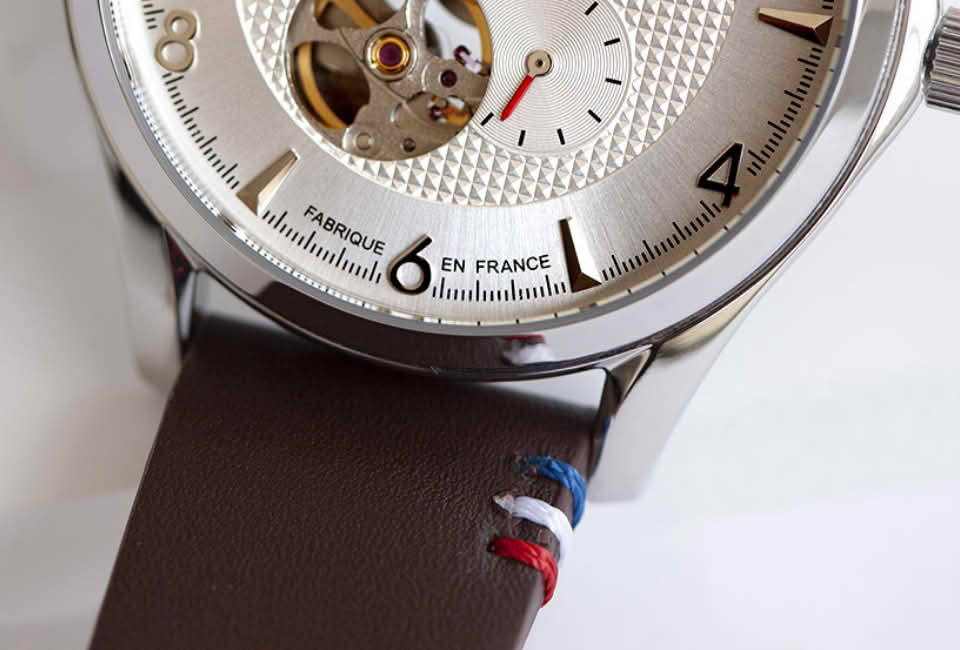
In France, Franche-Comté and companies based in Bisont have retained a monopoly on blue-white-and-red know-how. This is reflected in a renowned craftsmanship philosophy, with the majority of major French watch brands relying on French design and assembly. While watch movements are generally sourced from Switzerland (as France does not have the capacity to produce them entirely), French brands themselves contribute to the quality of their timepieces by entrusting them to a great deal of traditional know-how.
The bracelet
Leather watch straps
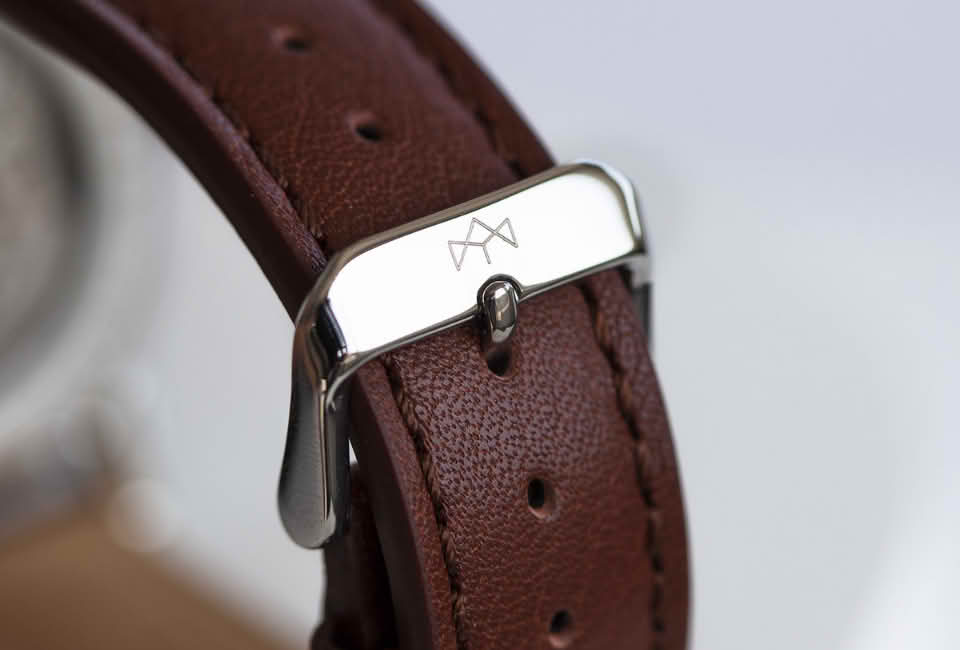
A classic bracelet par excellence, it comes in a variety of leathers, from lamb to ostrich, calf or cowhide. If you opt for a leather watchband, make a point of choosing quality leather, preferably supple to avoid marks and optimize comfort. Perspiration and chafing will also be reduced.
The metal watchband
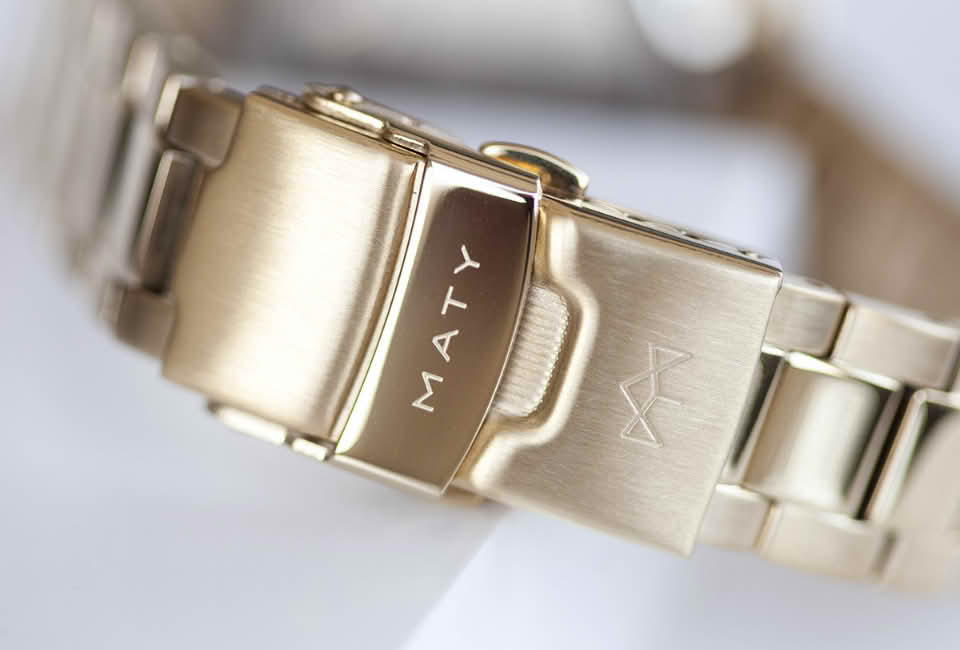
Made up of a more complex mechanism than the leather bracelet, generally composed of links, the metal bracelet must be chosen of good quality to withstand the shocks and wear of time. Depending on the metal you choose, you'll also need to watch out for scratches: a metal bracelet will require special attention.
The silicone watchband
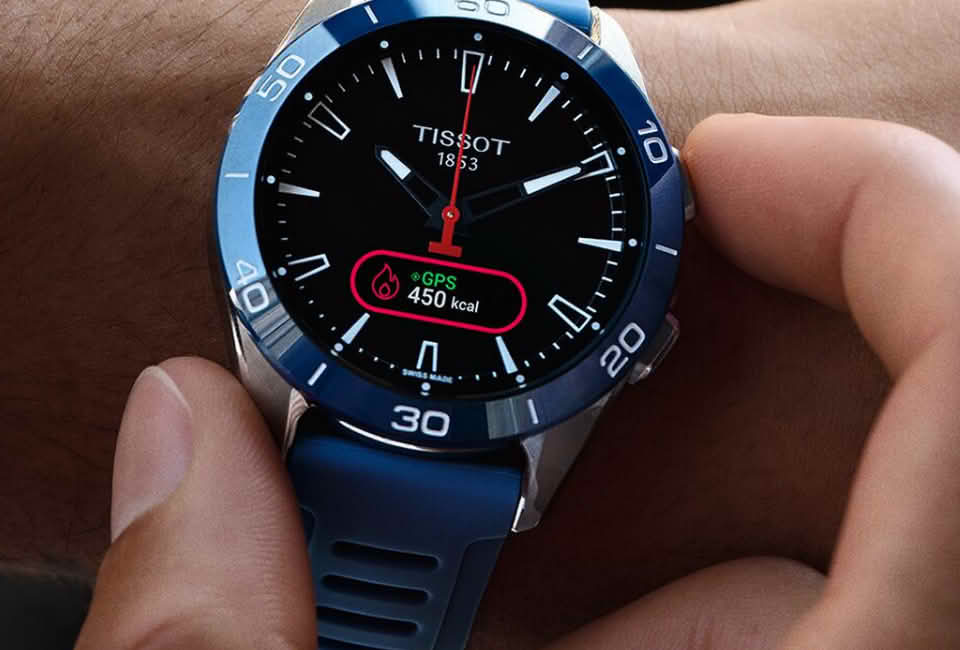
Very much in vogue today, and more "sporty" than its predecessors, the silicone or plastic watchband has gradually left the wrists of children (for whom it was mainly intended) to join the world of adults. Practical, less fragile than watches with leather or metal bracelets, and often less expensive, plastic watch straps are particularly popular with sportsmen and women and more extrovert personalities who can play with colors, patterns and models.
The fabric watchband
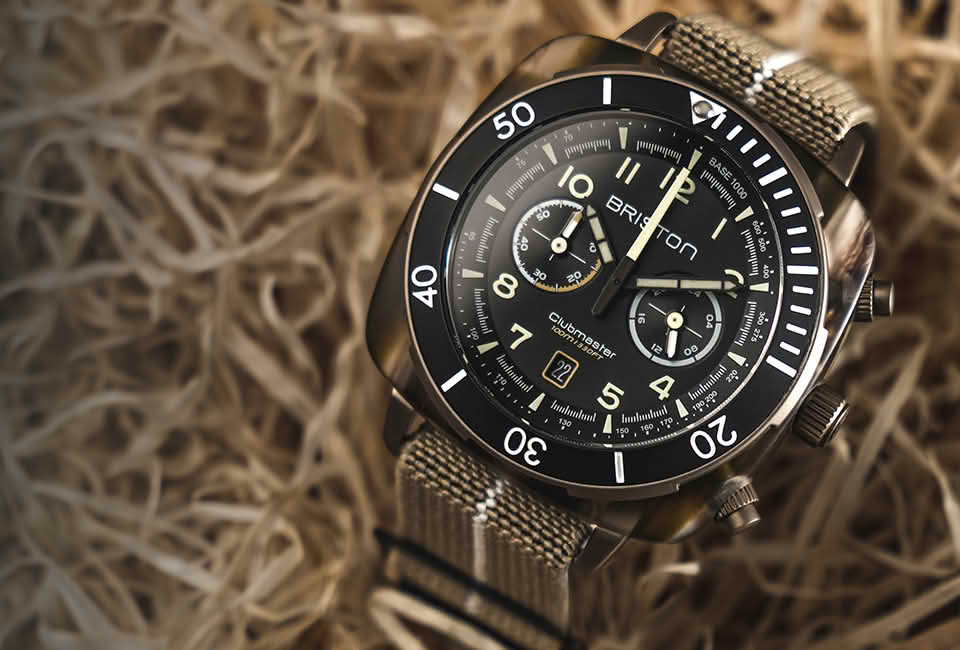
Less popular than its competitors, the fabric bracelet is particularly appreciated by women for its delicate, sophisticated look. Like leather, it's important to choose a quality bracelet to ensure its longevity. Generally strong and water-resistant, they can nevertheless age less well if worn too often (appearance of stains, less smooth fabric, etc.).
The shape of the dial
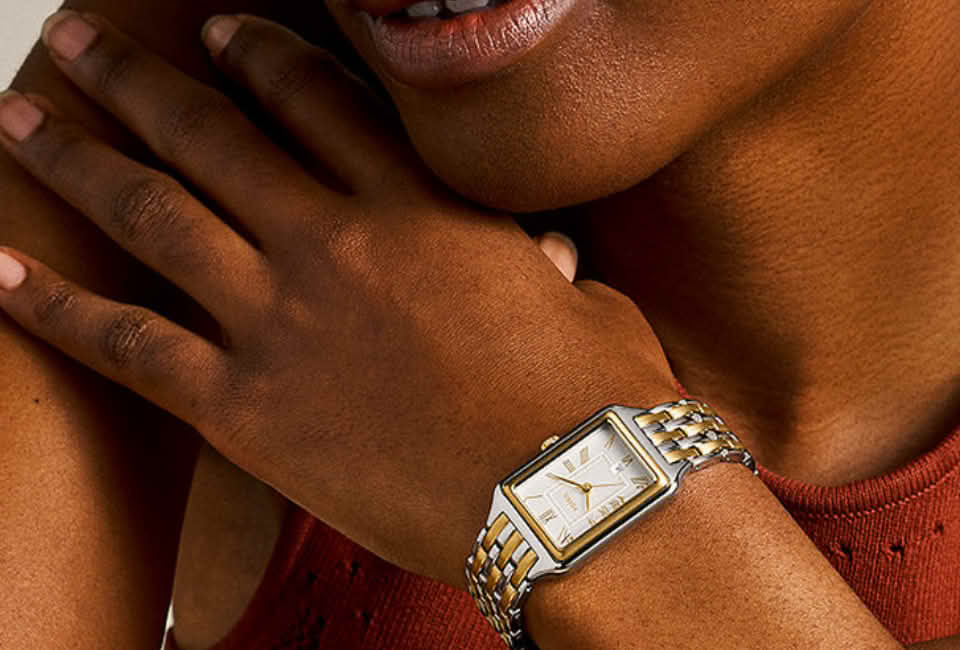
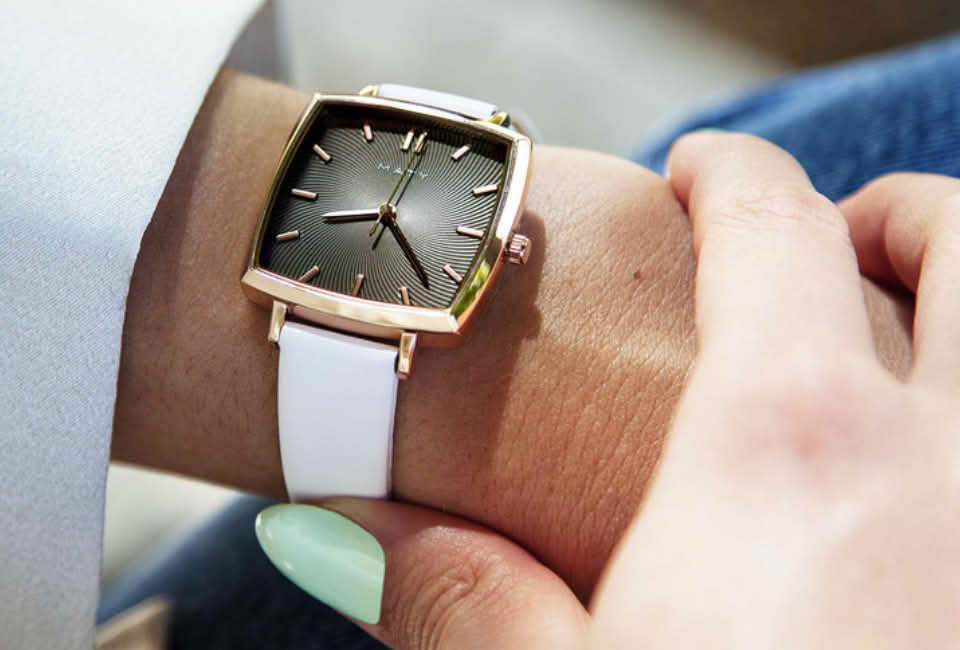
While this criterion is above all a matter of taste, certain characteristics distinguish round, rectangular and square dials.

The round dial
It is the most common and the least risky. Often associated with mechanical watches, it carries with it the elegance and authenticity of the watches of yesteryear. The success of Daniel Wellington watches has recently proven this point.
The rectangular dial
If curves don't inspire you, rectangular dials still have their place on wrists. However, they are most often associated with sobriety and classicism. Emporio Armani, for example, offers many models of this type.
The square dial
Rarer than its counterparts, the square dial generally adorns small-caliber watches. You'll find them more commonly on women's wrists, which are more delicate. Nevertheless, it has made inroads with both men and women, with the return of vintage Casio models with metal bracelets and digital displays.
Which diameter for which wrist size?
It's important to choose a watch that matches the size of your wrist. If yours is slim, avoid choosing a dial that's too large and imposing, or you'll lose elegance. If your wrist is thick, a dial that's too small will lose its cachet.
It is imperative that your watch is more or less proportional to the size of your wrist.
For wrist sizes under 15.5 cm, it's best not to opt for a watch with a diameter greater than 40 mm.
For a wrist size above 18 cm, the ideal diameter would be between 42 and 45mm.
To find out your wrist size, see our size guide.

