A gold bracelet that’s lost its luster, a ring that leaves a green mark on your finger, earrings that have tarnished at the bottom of a drawer: with costume jewelry, this kind of thing happens all too often. The good news is that it can be cleaned very easily at home, as long as you’re gentle. A little lukewarm water, a drop of mild soap, a clean cloth, and careful drying are all it takes in the vast majority of cases. The key lies in how it’s made. Fashion jewelry isn’t a solid block of gold or silver. It often combines a base metal (brass, copper, zinc alloy, steel) with a surface finish: gilding, plating, varnish, or rhodium plating. It may also feature glued-on rhinestones, imitation pearls, resin, or enamel. Each of these elements reacts differently to water, friction, and chemicals. A method that makes a steel chain shine may permanently tarnish a plated pendant.
Cleaning costume jewelry, then, means first knowing what you’re dealing with, and then choosing the gentlest method that still gets the job done. And since the finish won’t come back once it’s gone, regular maintenance is just as important as the cleaning itself.
Key Takeaways
- Always start with the gentlest method: a dry microfiber cloth, then lukewarm soapy water if necessary.
- Do not soak plated, gold-plated, or jewelry with glued-on rhinestones or pearls for long periods of time.
- Dry it immediately and thoroughly, including the links and clasps.
- Baking soda, vinegar, and toothpaste should not be used on most costume jewelry.
- Tarnished jewelry won't always return to its original appearance: if the finish is gone, cleaning won't bring it back.
- The best results come from prevention: remove your jewelry before getting wet or applying cosmetics, and store it separately.
Why does costume jewelry lose its luster?
Costume jewelry tarnishes because its surface reacts with its surroundings: air, water, skin, and anything applied to it. The more copper the base metal contains, the faster the reaction occurs. Once the protective layer wears away, the metal is left exposed.
Water and Humidity
Tap water contains lime and chlorine. Every time water flows from the faucet, a thin film builds up and seeps between the links or under a crimp. The humidity in a bathroom does the rest. A piece of jewelry stored near the shower oxidizes faster than one stored in a bedroom.
Sweating
Sweat is slightly acidic and rich in salts. It corrodes the gold plating on the inside of a ring or bracelet, where it is in constant contact with the skin. This is why costume jewelry often loses its color on the inside first. Skin acidity varies from person to person: the same piece of jewelry may remain beautiful for years on one person and turn black in just a few weeks on another.
Perfumes, creams, and cosmetics
Perfume, hairspray, moisturizer, self-tanner, sunscreen, hand sanitizer: all contain alcohol, oils, or chemicals that can damage the finish. A classic example is perfume sprayed directly onto a necklace. Creams also leave an oily film that attracts dust and dulls the jewelry’s shine.
Friction
A bracelet that brushes against the edge of a desk, a ring that rubs against a steering wheel, a chain that twists inside the neckline of a sweater: this repeated micro-friction gradually wears down the plating. As a result, lighter or copper-colored areas begin to appear in the most exposed spots.
Storage
When crammed into the same box, pieces of jewelry scratch each other and get tangled. Left out in the open, they collect dust and absorb moisture. Improper storage accelerates all of the issues described above.
Oxidation of the Finish
Some finishes age naturally, even when properly cared for. A very thin plating eventually reveals the metal underneath, which oxidizes on contact with air and takes on a brown, greenish, or black hue. Stainless steel is significantly more resistant, which explains its growing popularity in costume jewelry.
What precautions should you take before cleaning costume jewelry?
Before touching water or any product, take two minutes to examine the piece of jewelry. This examination determines which method to use and helps prevent most accidents.
Identify the material or finish
The product description, label, or receipt often lists the material: stainless steel, gold-plated steel, gold-plated brass, plated metal, or rhodium-plated. If not, there are a few clues to help you. A piece of steel jewelry is fairly heavy, feels cold to the touch, and retains its color throughout. Plated jewelry sometimes shows a different shade along the edges or on the inside of a ring, where the plating has worn off. If you’re really unsure, treat the piece as if it were the most delicate in that category.
Identify fragile items
Take a close look at the rhinestones, crystals, pearls, mother-of-pearl, enamel, resin, leather, fabric, or threads. Many of these elements are held in place by an adhesive that doesn’t hold up well to hot water or soaking. Imitation pearls have a pearlescent coating that flakes off at the slightest contact with an abrasive product. Leather and fabric cords, on the other hand, lose their shape and stain if they get wet.
Check the overall condition
A loose clasp, a raised prong, a rhinestone that wobbles slightly: cleaning a piece of jewelry in this condition could cause further damage. It’s best to have it repaired first, or at the very least, have it dry-cleaned.
Avoid abrasive actions
No scouring pads, rough paper towels, stiff-bristled brushes, or abrasive powders. On a gold plating just a few microns thick, any excessive rubbing will wear away the material. The rule is simple: if you wouldn’t dare rub a pair of eyeglass lenses with it, don’t use it on costume jewelry.
Always start with the mildest one
You can always try a slightly more thorough method if the first one isn't enough. The reverse isn’t possible: a damaged finish can’t be fixed at home. So start by simply wiping it down with a dry cloth, then use soapy water only if necessary, and test it on an inconspicuous area (the inside of a ring, the back of a pendant) before treating the entire piece of jewelry.
What's the best way to clean costume jewelry?
DISCOVER OUR CLEANING AND MAINTENANCE SOLUTION >
The right method depends on three factors: the material, what is attached to it, and how dirty it is. The table below summarizes the most common situations.
|
Jewelry or Finish |
Typical soiling |
Recommended Method |
Things to Avoid |
Precaution Level |
|---|---|---|---|---|
|
Stainless steel (silver) |
Fingerprints, skin oils, soap residue |
Warm water + mild soap, soft brush, dry thoroughly |
Bleach, chlorine-based products, abrasive sponge |
Low |
|
Gold-plated steel (PVD or gold plating on steel) |
Greasy film, dust |
Microfiber cloth, followed by a quick wipe with soapy water if needed |
Vigorous scrubbing, polishing cream, baking soda |
Medium |
|
Brass or gold-plated metal |
Tarnish, dark spots |
First, use a dry cloth; then, a slightly damp, soapy cotton cloth—never soak it |
Vinegar, lemon, toothpaste, baking soda |
High |
|
Rhodium-plated or silver-plated metal |
Dull sail |
Microfiber cloth, quick soapy water |
Products for sterling silver, powders |
Medium to high |
|
Jewelry with glued rhinestones or crystals |
Dust in the settings, greasy film |
A dry brush or a slightly damp cotton swab—do not soak it |
Soaking, hot water, ultrasound |
High |
|
Imitation pearls, mother-of-pearl, resin, enamel |
Oily film, traces of cosmetics |
A soft, slightly damp cloth; wipe immediately |
Excessive use of soap, alcohol, or any immersion |
Very high |
|
Cord, leather, fabric |
Stains, sweat |
Dry-clean the metal only; use a slightly damp cloth on the cord |
Full Launch |
Very high |
If you're unsure which of two guidelines to follow, choose the one with the highest level of caution. And if a piece of jewelry combines several materials (a steel chain with a rhinestone pendant, for example), the most fragile component determines the method.
How can I clean costume jewelry using a gentle method?
For jewelry that is simply dull or greasy, the gentle method is almost always sufficient. It requires nothing more than what you already have at home, and it works for most pieces, provided you adjust the amount of water based on the fragility of the jewelry.
What You Need
- a bowl of lukewarm water (not hot);
- one or two drops of mild soap, free of fragrance and dyes (liquid Marseille soap, mild baby soap);
- a clean microfiber cloth, preferably one used exclusively for jewelry;
- a toothbrush with extra-soft bristles, for the teeth only;
- a cotton swab;
- a clean towel or a soft paper towel.
The stages
- Dust it off without using water. Wipe the entire piece of jewelry with the microfiber cloth. For jewelry that isn't very dirty, this step is often enough to restore its shine.
- Prepare the soapy water. Dissolve the soap in warm water until the water is just slightly cloudy. Too much soap leaves a film that causes dullness.
- Clean without soaking. Dip a cotton swab or a corner of a cloth in water, wring it out thoroughly, and then wipe the jewelry with it. For a steel chain without any glued-on parts, you can soak it for a few seconds. For plated or embellished jewelry, use a cloth that is only slightly damp.
- Gently focus on the nooks and crannies. The extra-soft brush, used without applying pressure, removes residue trapped between the links or around a clasp. Avoid using it on areas set with rhinestones.
- Rinse quickly. A cloth dampened with clean water is enough to remove the soap. For stainless steel, a quick rinse under a trickle of lukewarm water is sufficient.
- Dry it immediately. Gently blot the jewelry with a towel, then let it air dry on a dry cloth for about 30 minutes before putting it away.
- Make it shine. One final wipe with a dry microfiber cloth will restore the shine.
Drying: The Step We Often Overlook
That’s often where it all comes down to. A single drop of water left in a lobster clasp or between two links is enough to cause oxidation or leave a lime scale stain. Dab rather than rub, open the clasps to dry them, and never store jewelry while it’s still damp. Avoid using a hair dryer: the heat weakens adhesives and certain varnishes.
How often?
For jewelry worn every day, simply wiping it down with a dry cloth after each use and gently cleaning it every two weeks to a month is sufficient. Cleaning it more often doesn't provide any additional benefit and wears down the finish more quickly. Jewelry worn only occasionally only needs to be cleaned when it shows signs of needing it.
How do you clean blackened or oxidized costume jewelry?
Blackened costume jewelry can sometimes be restored, and sometimes not. It all depends on the cause of the dark color: whether it’s a deposit on the finish or whether the finish itself has worn away.
Distinguishing Between Deposition and Wear
Wipe a small area with a slightly damp microfiber cloth. If the original color reappears—even partially—it’s a surface deposit: sebum, cosmetic residue, limescale, or clumped dust. It can be removed with gentle cleaning.
If the dark or coppery discoloration doesn't come off and is concentrated along the edges, inside the ring, or at points of friction, it's the base metal showing through a worn plating. This metal has oxidized upon contact with air and skin. Cleaning may lighten it slightly, but it won't restore the gold plating.
When it comes to a deposit
Go back to the gentle method and be patient. Several quick passes with a slightly damp cotton pad are better than a single vigorous one. For stainless steel jewelry, an extra-soft brush and a little more soapy water will remove most marks. Finish by drying it thoroughly and polishing it with a dry cloth.
A cleaning product formulated for jewelry can also help, provided it is compatible with the jewelry's finish. We'll come back to this later.
When the finish is damaged
Let's be honest: you can't restore chipped plating with a cloth. Tips that promise to “bring back the gold” on costume jewelry actually strip the surface, causing the base metal to shine for a few days before it turns black again—often even faster. In this case, there are several options:
- accept the patina and continue to gently care for the jewelry to preserve its appearance;
- Ask a jeweler if it's possible to have the piece re-gilded; this depends on the base metal and how much the piece is worth to you;
- For a piece of jewelry you cherish, avoid any DIY attempts that could make the problem worse.
What about the green mark on the skin?
A finger or wrist that turns green almost always indicates that a copper-rich metal has come into contact with the skin beneath worn-out gold plating. This isn’t dangerous in itself, but it’s a sign that the surface protection has worn away. Drying the jewelry thoroughly, avoiding wearing it with wet hands, and removing it during activities that cause sweating can help limit this phenomenon, though it won’t eliminate it entirely.
Can you clean costume jewelry with baking soda, vinegar, or toothpaste?
These three products are mentioned in most of the tips found online. They are somewhat effective on sterling silver or certain unplated metals, but when used on costume jewelry, the risks almost always outweigh the benefits. The reason is simple: they work by stripping away a layer, and the first thing they strip away is the thin layer that gives the jewelry its color.
Baking Soda
When made into a paste, baking soda is a mild abrasive. Mild for a pot, but not for a plating just a few microns thick. When rubbed on plated jewelry, it scratches the surface and thins it with each pass. The result is sometimes visible right away (a dull appearance, micro-scratches), and sometimes after a few cleanings, when the base metal begins to show through. On bare stainless steel, very occasional use—well diluted and without scrubbing hard—is still possible, but soapy water generally works just as well.
White vinegar
Vinegar is an acid. It dissolves limescale, but it also corrodes metals such as copper, brass, and zinc, which are commonly found in costume jewelry. It can stain the finish, dull a protective coating, and soften certain adhesives. On imitation pearls or mother-of-pearl, it is downright destructive. Lemon juice causes exactly the same problems.
Toothpaste
Toothpaste contains abrasive agents designed to polish tooth enamel, which is much harder than any gold plating. It also leaves white residue in the crevices and around the rhinestones that is difficult to remove. On costume jewelry, it should be avoided altogether.
What You Can Do Instead
- For dull jewelry: use a microfiber cloth, followed by lukewarm, slightly soapy water.
- For jewelry that is greasy or has cosmetics on it: use a slightly damp, soapy cotton cloth, wiping it in several short strokes.
- For best results: a cleaning product formulated for jewelry and compatible with the material.
- For a piece of jewelry that's damaged or precious to you: seek a jeweler's advice before trying any home remedies.
This caution may seem excessive given the promise of quick results. But a shortcut that ruins the finish only saves time once: after that, the piece of jewelry can’t be salvaged.
How do you clean different types of costume jewelry?
The basic method is the same for everyone, but the shape of the jewelry determines which areas to focus on and which techniques to prioritize.
Cleaning a costume ring
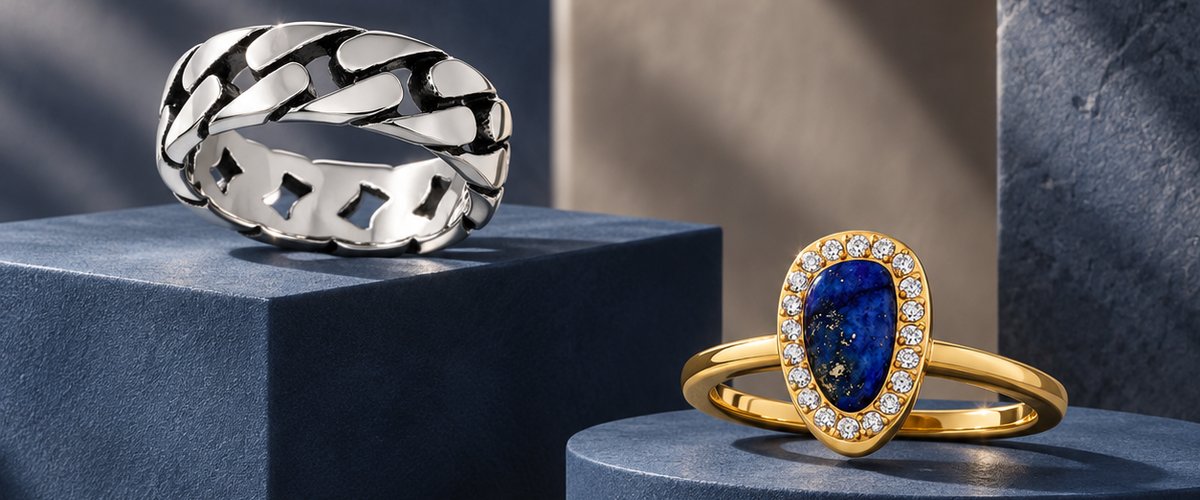
A ring is the piece of jewelry most exposed to everyday elements: soap, hand sanitizer, hand cream, dish soap—not to mention bumps and knocks. Residue tends to build up especially on the inside of the band and under the setting. Clean the inside with a cotton swab that’s barely damp and soapy, then dry it with a corner of a cloth slipped into the band. If the ring has a stone or a rhinestone, clean around it without going underneath, and never submerge it in water. A ring that’s always removed before washing your hands ages much more slowly.
Cleaning a costume necklace
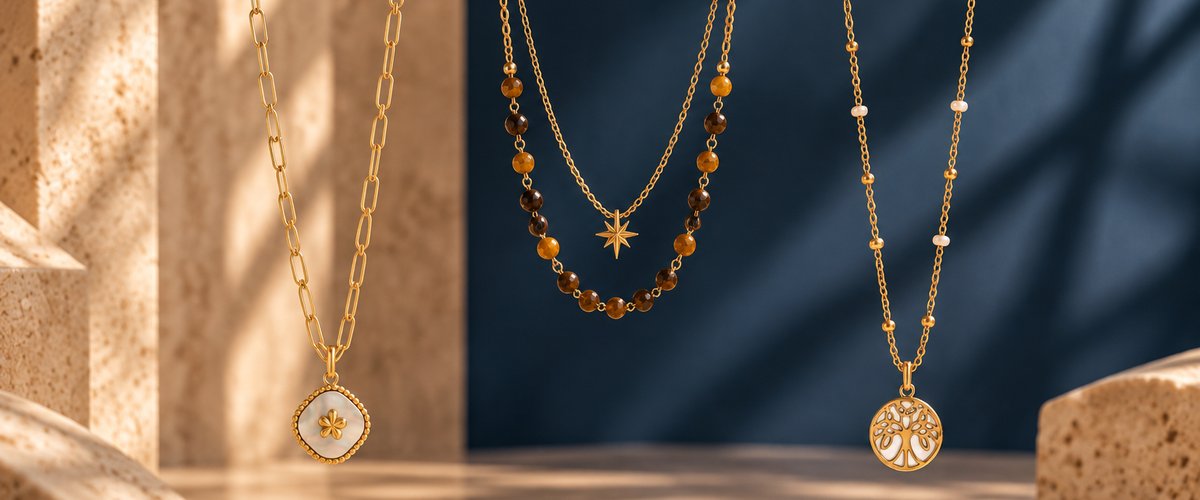
On a necklace, dirt gets trapped in the links of the chain and in the clasp, which is also the area that comes into the most contact with the nape of the neck and sweat. Lay the necklace flat on a towel rather than hanging it, so as not to pull on the connecting links. Run a damp cloth along the chain, link by link, then clean the pendant separately depending on its material. For a delicate chain, avoid using a brush, as it can snag and twist the links. Dry the chain by sliding it through a dry cloth folded in half.
Cleaning a fashion bracelet
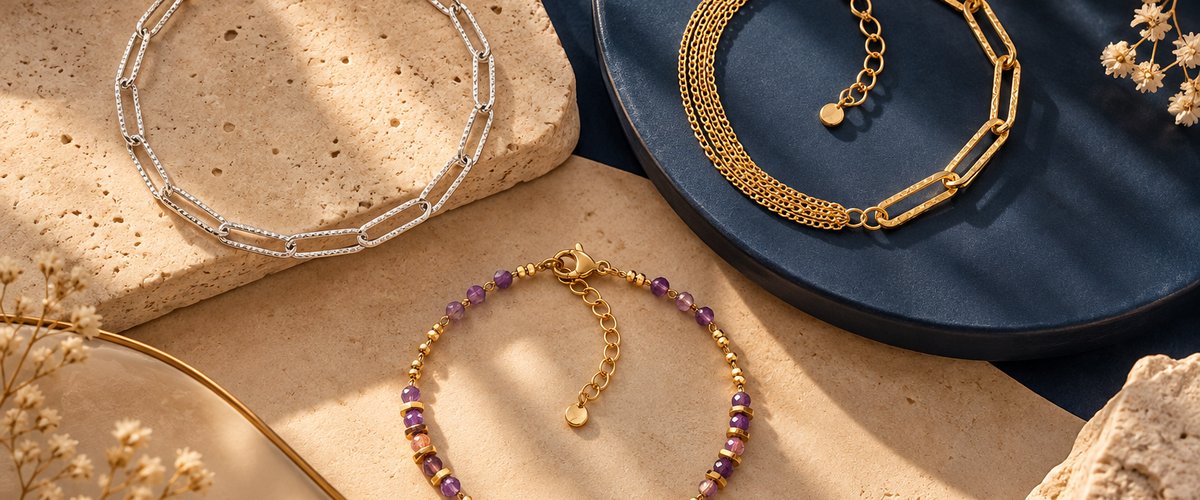
The bracelet rubs against surfaces and the skin of the wrist, accumulating traces of lotion and sweat. For a rigid bracelet or bangle, cleaning is simple: use a damp, soapy cloth, rinse with a cloth, and dry. For a hinged or link bracelet, scrub between the links with an extra-soft brush, then dry each joint thoroughly. A bracelet mounted on elastic, cord, or leather should never be submerged: clean only the metal parts with a barely damp cotton cloth.
Cleaning costume earrings
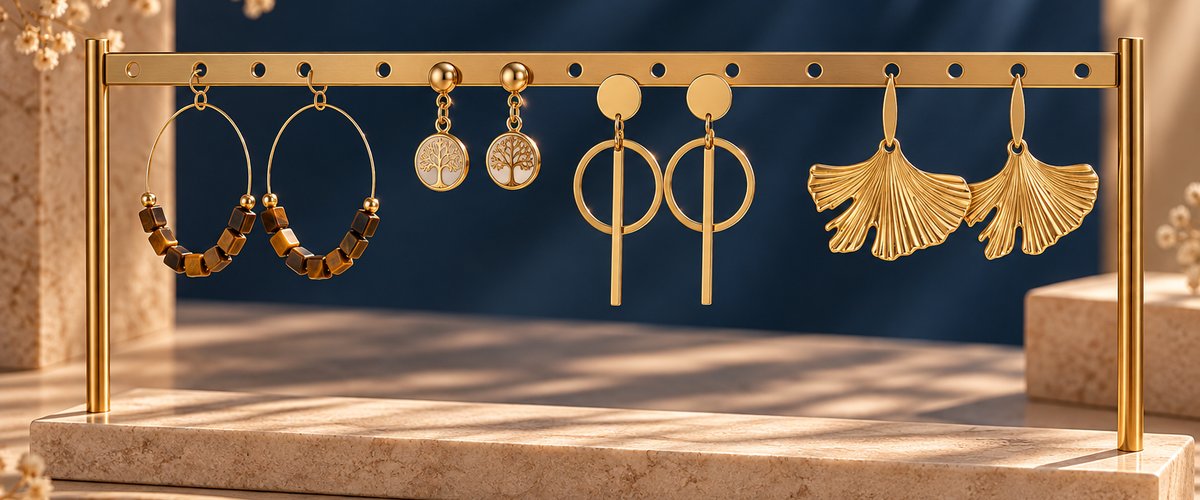
Earrings require special care for both hygienic and aesthetic reasons. The posts and hooks come into direct contact with the earlobe: clean them after each time you wear them—or at least regularly—with a cotton ball lightly moistened with soapy water, then dry them. Avoid using alcohol on decorative parts, as it can dull certain finishes and dissolve adhesives. For dangling earrings, clean each piece separately and let them dry flat. Store pairs together, but keep them separate from other jewelry to prevent the hooks from scratching nearby surfaces.
Cleaning costume jewelry with rhinestones, gemstones, or pearls
This is the most delicate category. Rhinestones and crystals are often glued on, and water eventually causes the glue to come loose or become cloudy. Imitation pearls have a very thin pearlescent coating. For these pieces of jewelry:
- Dust off with a soft, dry brush (such as a clean makeup brush);
- Clean the metal around it with a slightly damp cotton swab, being careful not to touch the glued parts;
- Wipe the beads one by one with a soft, very slightly damp cloth, then dry them immediately;
- Never soak the item, and do not use hot water, household cleaners, or ultrasonic cleaners;
- Let it dry flat; never hang it up, especially if it's a beaded necklace, as the thread will stretch when wet.
What mistakes should you avoid when wearing costume jewelry?
Most damaged costume jewelry isn't damaged by normal wear and tear, but by a few repeated, unconscious actions. Here are the most common ones.
- Wearing jewelry in the shower or bath. Hard water, shower gel, and shampoo damage the finish every time you use them.
- Keep them away from the pool, the ocean, or the sauna. Chlorine, salt, and humid heat are veneer's worst enemies.
- Spray on your perfume or apply your lotion while wearing your jewelry. The alcohol and oils will settle directly on the metal.
- Cleaning or doing the dishes while wearing rings and bracelets. Household cleaning products are much harsher than any other cleaning product.
- Scrub with an abrasive material. A scouring pad, rough paper towel, stiff brush, or scouring powder—anything that scratches will remove the gilding.
- Don't use household cleaning products to clean them. Bleach, degreasers, limescale removers, or window cleaners have no place on jewelry.
- Soak plated or embellished jewelry. Soaking causes the rhinestones to come loose and allows water to seep under the finish.
- Failing to let it dry. Jewelry that is stored while still damp will oxidize, even in a closed box.
- Storing all your loose jewelry in the same box. It gets scratched, tangled, and misshapen.
- Don't leave them in the bathroom. Constant humidity causes them to tarnish more quickly.
- Wearing a piece of jewelry with a flimsy clasp or a loose rhinestone is the best way to lose it.
Check the boxes that apply to you: every box you can uncheck means one piece of jewelry that will retain its luster longer.
How can you make your costume jewelry last longer?
Costume jewelry that is properly cared for on a daily basis rarely needs a thorough cleaning. A few habits, adopted once and for all, do more to extend its lifespan than any product ever could.
Put them in last, take them out first
This is the most useful rule. In the morning, put on perfume, style your hair, apply your moisturizer, let it dry, and only then put on your jewelry. In the evening, take it off before removing your makeup or taking a shower. This simple sequence prevents the vast majority of contact with cosmetics.
Remove them for high-risk activities
Showering, bathing, swimming, the beach, sports, housework, gardening, cooking—these are all times when your jewelry is exposed to water, sweat, bumps, or cleaning products. Keep a small dish next to the sink or by the front door to set your rings down so you don’t lose them.
Wipe them down after each use
Wiping the jewelry with a microfiber cloth as you put it away removes sweat, oil, and cream residue before they have a chance to build up. It takes ten seconds and delays the next cleaning by the same amount of time.
Store them separately
Ideally, each piece of jewelry has its own place: a soft fabric pouch, a velvet-lined compartment in a jewelry box, or an individual bag. Necklaces should be stored hanging or laid flat, with the clasp closed, to prevent tangling. Earrings should be kept in pairs on a stand or in a compartment.
Limit moisture and light
Store your jewelry in a dry place, away from direct sunlight, which can cause certain resins and enamels to fade. In a closed box, a moisture-absorbing packet (such as silica gel, like the ones found in shoe boxes) helps keep the air dry. Some people also place a piece of white chalk in the box to absorb moisture: this is a safe method, as long as the chalk does not come into contact with the jewelry.
Choose materials that suit your lifestyle
If you wear your jewelry every day and tend to forget to take it off, stainless steel—whether silver or gold—is a safer choice than plated brass. It withstands occasional exposure to water and sweat better, and its color lasts longer. MATY’s costume jewelry collection features pieces in stainless steel and gold-plated steel designed for everyday wear.
When should you use a jewelry cleaner?
Soapy water works for most situations. A cleaning product specifically formulated for jewelry comes in handy when soapy water isn't enough, or when you want a faster, more consistent cleaning method without taking any risks.
The Benefits of a Dedicated Product
Jewelry cleaner is formulated to remove oily buildup, traces of cosmetics, and a dull film without damaging the metals. Unlike homemade remedies, its pH and composition are designed for use on delicate surfaces. Some come in the form of a cleaning solution, while others are wipes or pre-moistened cloths, which are more convenient for quick cleaning.
Choose the right one based on the material
You shouldn't choose a cleaning product at random. A cleaning solution designed for solid silver, for example, is often too harsh for plated jewelry or silver-plated metal. Before buying, check three things:
- Stated compatibility: Does the product specify whether it is compatible with costume jewelry, plated jewelry, gold-plated jewelry, or stainless steel jewelry?
- Cleaning: A soft cloth or wipe is better than soaking for jewelry with rhinestones, pearls, or glued-on elements.
- Contraindications: pearls, porous stones, enamel, and leather are often excluded. Read the instructions all the way through.
How to Use It Properly
Always test on a small, inconspicuous area first. Follow the recommended contact time exactly; do not extend it “just to be safe.” Rinse if the instructions call for it, then dry as thoroughly as you would after cleaning with water. A cleaning product complements good daily habits—it does not replace them.
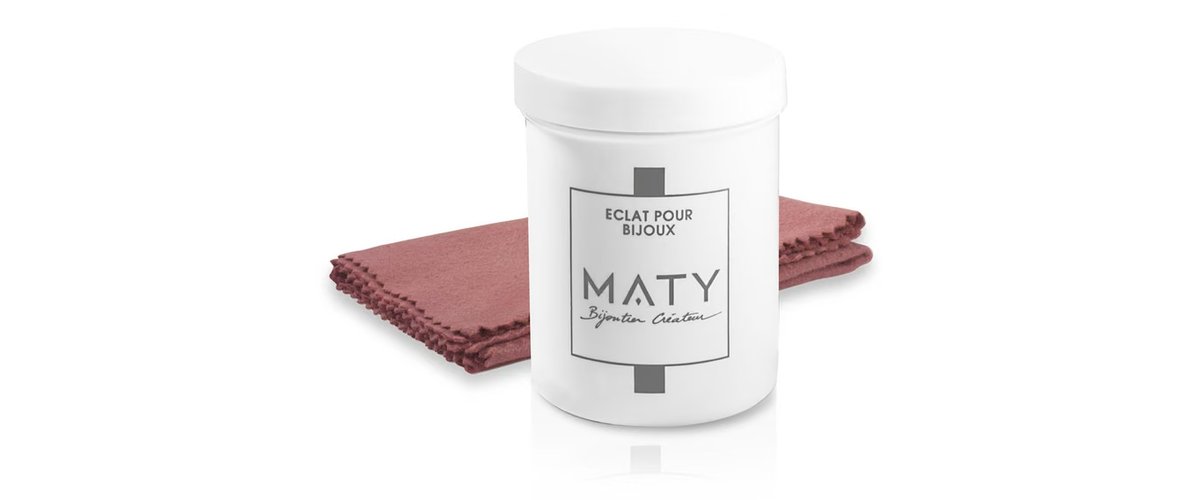
MATY offers a line of jewelry cleaning products formulated to care for your jewelry and extend its lifespan. If you're unsure which product is right for a specific piece of jewelry, our in-store advisors can help you choose.
When should you ask a jeweler for advice?
Fashion jewelry may not always have great monetary value, but it can mean a lot to you. In some situations, seeking a professional’s advice can prevent a minor flaw from becoming permanent damage.
- The piece of jewelry is badly damaged. It has several blackened areas, a pitted surface, and is misshapen: a jeweler will be able to tell you what can be repaired and what cannot.
- The finish is clearly damaged. If the base metal is showing through over large areas, cleaning it at home won't help, and any restoration work must be done at a repair shop.
- A stone, rhinestone, or decorative element has come loose. Reattaching it yourself with strong glue often leaves marks and can damage the surrounding finish.
- The clasp is fragile. If a carabiner no longer closes properly or a ring is open, there's a risk of losing the piece of jewelry. This type of repair can be done quickly in the workshop.
- A pearl necklace needs to be restrung. Over time, the thread loosens or frays. Restringing restores the necklace's shape and secures the pearls.
- The piece of jewelry has sentimental value. Whether it's a gift, a family heirloom, or something you'd never be able to replace—when in doubt, it's best not to take any chances.
- You don't know what it's made of. A professional can help you identify the material and the appropriate care method.
MATY stores offer jewelry care and repair services , such as cleaning, polishing, and restringing pearls. It’s also a great opportunity to ask for advice on how to care for your jewelry at home between visits.
FAQ: How to Clean Your Costume Jewelry
How do you clean costume jewelry without damaging it?
Start with the gentlest method: a dry microfiber cloth, then, if necessary, a slightly damp cotton cloth soaked in lukewarm, lightly soapy water. Do not soak plated or embellished jewelry, do not use abrasive products, and let it dry completely before storing.
How do you clean costume jewelry that has turned black?
First, test a damp cloth on a small area. If the color comes back, it’s a deposit: gentle cleaning in several passes should be enough. If the dark stain remains, the finish has worn off and the base metal is oxidizing. Cleaning won’t make much of a difference; a jeweler can tell you if restoration is possible.
Can you clean costume jewelry with baking soda?
This is not recommended. Baking soda acts as an abrasive and scratches the gold plating and other finishes, which are very thin on costume jewelry. On bare stainless steel, it can be used very occasionally, but soapy water usually works just as well.
Can you clean costume jewelry with vinegar?
No, for most of them. Vinegar is acidic: it corrodes copper, brass, and zinc, stains finishes, and weakens adhesives. It is particularly damaging to pearls and mother-of-pearl.
How do you clean a costume ring?
Wipe the inside of the ring—where soap and cream tend to build up—with a slightly damp, soapy cotton swab, then wipe around the bezel without going under the stones. Rinse with a damp cloth and dry the inside thoroughly. Do not submerge it in water if it has glued-on rhinestones.
How do you clean costume earrings?
Regularly clean the stems and hooks with a cotton ball soaked in soapy water, then dry them—these are the parts that come into contact with the skin. Clean the decorative parts with a slightly damp cloth (do not use alcohol). Let them dry flat before storing the pair.
How can you prevent costume jewelry from turning black?
Limit their exposure to water, sweat, and cosmetics: put them on after applying perfume and moisturizer; take them off before showering, exercising, or doing housework; wipe them down after each use; and store them separately in a dry place.
Can you wear costume jewelry in the shower?
It's best to avoid doing that. Even stainless steel jewelry eventually tarnishes from repeated contact with hard water and shower gel, and plated jewelry loses its gold plating much more quickly. Taking off your jewelry before showering is still the most effective way to keep it looking beautiful for a long time.
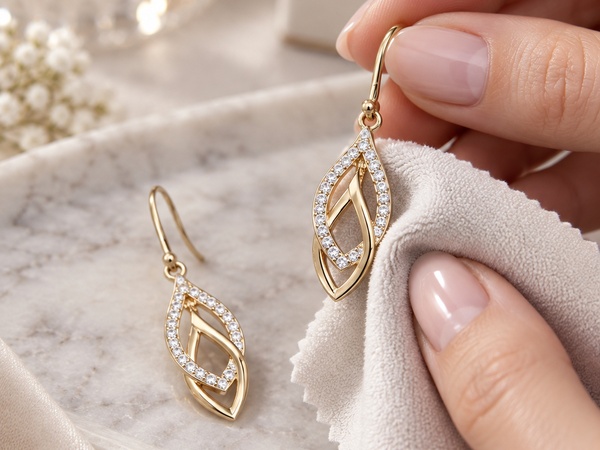
How do you clean earrings?
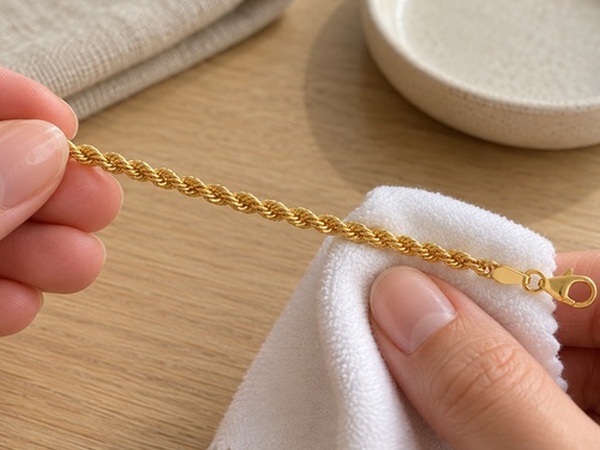
How do you clean a chain?