Comment utiliser et régler sa montre au quotidien ?
Montre à quartz, automatique, mécanique ou digitale : chaque modèle possède son propre fonctionnement. Avant de régler l’heure, de modifier la date ou d’utiliser une fonction particulière, il est donc important d’identifier le type de montre que vous portez et de comprendre le rôle de sa couronne et de ses éventuels boutons-poussoirs.
Quelques gestes simples permettent également de préserver son mécanisme, son étanchéité et l’état de son bracelet. Découvrez comment utiliser correctement votre montre, effectuer ses principaux réglages et reconnaître les situations qui nécessitent l’intervention d’un bijoutier-horloger.
In summary
-
Retirez votre montre du poignet avant de la régler.
-
Identifiez son mécanisme et consultez sa notice avant toute manipulation inhabituelle.
-
Manipulez toujours la couronne avec douceur et ne forcez jamais en cas de résistance.
-
Évitez de corriger rapidement la date pendant la période où le mécanisme prépare son changement automatique.
-
Repoussez ou revissez soigneusement la couronne après chaque réglage.
-
Vérifiez le niveau d’étanchéité avant de mettre la montre au contact de l’eau.
-
Ne manipulez pas la couronne ni les poussoirs lorsque la montre est mouillée.
-
Consultez un horloger en cas de buée, de retard inhabituel, de verre fêlé ou de couronne difficile à actionner.
Quel type de montre utilisez-vous ?
Avant d’effectuer un réglage, commencez par identifier le fonctionnement de votre montre. Les gestes à adopter ne sont pas exactement les mêmes selon qu’elle fonctionne avec une pile, un ressort mécanique ou un système électronique.
The quartz watch
Une montre à quartz fonctionne généralement grâce à une pile. Elle offre une lecture analogique de l’heure avec des aiguilles et peut comporter un guichet de date, un chronographe ou d’autres fonctions.
L’heure et la date se règlent habituellement à l’aide de la couronne. Lorsqu’elle s’arrête ou commence à présenter un fonctionnement inhabituel, un remplacement de pile peut être nécessaire.
La montre automatique
La montre automatique possède un mécanisme mécanique qui se remonte grâce aux mouvements du poignet. Elle ne contient généralement pas de pile classique.
Si elle n’est pas portée pendant un certain temps, sa réserve de marche finit par s’épuiser et la montre peut s’arrêter. Selon le modèle, il est alors possible de la relancer en la remontant manuellement à l’aide de la couronne.
La montre mécanique à remontage manuel
Une montre mécanique manuelle doit être remontée régulièrement en tournant sa couronne. Ce geste met en tension le ressort qui fournit l’énergie nécessaire au mouvement.
La fréquence et le nombre de tours varient selon le calibre. Il est donc préférable de consulter la notice et de manipuler la couronne lentement, sans jamais chercher à la forcer.
La montre digitale
Une montre digitale affiche l’heure sur un écran. Elle peut proposer différentes fonctions : date, alarme, chronomètre, compte à rebours, éclairage ou double fuseau horaire. Ces fonctions se commandent généralement à l’aide de boutons tels que « Mode », « Start » ou « Reset », mais leur fonctionnement dépend entièrement du modèle.
La montre connectée
Une montre connectée fonctionne en lien avec une application installée sur un téléphone. Le réglage de l’heure est souvent automatique une fois la montre synchronisée. Les notifications, le suivi d’activité, les paramètres d’affichage et les mises à jour sont habituellement gérés depuis l’application du fabricant. La montre doit aussi être rechargée régulièrement.
La montre chronographe
Un chronographe permet de mesurer une durée à l’aide d’une aiguille ou de compteurs spécifiques. Il comporte généralement deux boutons-poussoirs placés de part et d’autre de la couronne.Un poussoir permet souvent de démarrer et d’arrêter le chronométrage, tandis que l’autre sert à remettre les compteurs à zéro. Cette organisation peut toutefois varier selon le mouvement.
La montre étanche ou sportive
Une montre étanche est conçue pour supporter un certain niveau de contact avec l’eau. Son utilisation dépend de l’indication inscrite sur le cadran ou au dos du boîtier : 3 ATM, 5 ATM, 10 ATM, 20 ATM ou une autre valeur. Cette indication doit être associée aux recommandations spécifiques du fabricant. Une montre adaptée aux éclaboussures n’est pas nécessairement conçue pour la natation ou la plongée.
|
Type de montre |
Réglages principaux |
Precautions |
|
Montre à quartz |
Heure, date et parfois chronographe |
Faire remplacer la pile avant qu’elle ne coule ou ne s’épuise complètement |
|
Automatic watch |
Heure, date et remontage éventuel |
Ne pas la secouer fortement et ne pas forcer la couronne |
|
Montre mécanique manuelle |
Heure et remontage |
Remonter lentement selon les indications de la notice |
|
Digital watch |
Heure, date, alarme, chronomètre |
Identifier la fonction de chaque bouton |
|
Connected watch |
Synchronisation, notifications, affichage |
Utiliser l’application correspondante et maintenir la batterie chargée |
|
Chronograph watch |
Heure, date et compteurs |
Ne pas manipuler les poussoirs sous l’eau, sauf indication contraire |
|
Montre sportive ou étanche |
Heure, fonctions sportives et parfois profondeur |
Respecter précisément le niveau d’étanchéité annoncé |
À quoi servent la couronne et les boutons d’une montre ?
La couronne est la petite pièce située sur le côté du boîtier. Sur une montre analogique, elle sert généralement à régler l’heure. Selon le modèle, elle peut également permettre de modifier la date, le jour ou le mois, mais aussi de remonter un mécanisme mécanique.
Les différentes positions de la couronne
Une couronne peut habituellement être placée dans plusieurs positions :
-
la position normale, lorsque la couronne est entièrement repoussée contre le boîtier ;
-
le premier cran, souvent utilisé pour régler la date ou le jour ;
-
le deuxième cran, généralement utilisé pour régler l’heure.
Ces positions ne sont cependant pas universelles. Certaines montres ne possèdent qu’un seul cran, tandis que d’autres utilisent la couronne pour accéder à plusieurs fonctions.
Visuel recommandé Ajouter un schéma présentant la couronne en position normale, au premier cran et au deuxième cran, ainsi qu’un exemple de couronne vissée et de boutons-poussoirs de chronographe.
Qu’est-ce qu’une couronne vissée ?
Une couronne vissée se fixe au boîtier en tournant, afin de renforcer l’étanchéité de la montre. Avant de l’utiliser, il faut généralement la dévisser avec précaution.
Une fois le réglage terminé :
-
replacez-la dans sa position normale ;
-
exercez une légère pression vers le boîtier ;
-
revissez-la doucement sans la mettre de travers ;
-
vérifiez qu’elle est correctement fermée.
Ne forcez pas si le filetage semble résister. Une couronne mal engagée peut être endommagée et ne plus assurer correctement son rôle.
À quoi servent les boutons-poussoirs ?
Les boutons situés à côté de la couronne peuvent commander :
-
le démarrage et l’arrêt d’un chronographe ;
-
la remise à zéro des compteurs ;
-
une alarme ;
-
l’éclairage d’un écran digital ;
-
la sélection d’un mode ;
-
le réglage d’un second fuseau horaire ;
-
certaines fonctions sportives ou connectées.
Le fonctionnement variant d’une montre à l’autre, reportez-vous à la notice du modèle avant d’enchaîner plusieurs pressions ou de maintenir un bouton enfoncé.
Comment régler l’heure de sa montre ?
Avant de commencer, retirez votre montre du poignet. Vous pourrez ainsi tenir le boîtier sans exercer de pression latérale sur la couronne ou la tige de remontoir.
Les étapes générales
-
Vérifiez si la montre possède une couronne classique ou vissée.
-
Dévissez la couronne si nécessaire.
-
Tirez-la doucement jusqu’au cran correspondant au réglage de l’heure.
-
Tournez-la lentement pour déplacer les aiguilles.
-
Vérifiez que l’heure est réglée sur la bonne partie de la journée.
-
Repoussez entièrement la couronne contre le boîtier.
-
Revissez-la si votre montre est équipée d’une couronne vissée.
-
Vérifiez que les aiguilles ont repris leur mouvement.
Le sens dans lequel la couronne doit être tournée dépend du mécanisme. Contrairement à une idée répandue, il n’est donc pas possible d’affirmer que toutes les montres doivent être réglées uniquement dans le sens horaire.
Comment distinguer le matin et l’après-midi ?
Sur une montre dotée d’une date, faites avancer les aiguilles jusqu’à ce que le jour change. Le passage à la nouvelle date correspond normalement à minuit.
Vous pouvez ensuite continuer à faire avancer les aiguilles jusqu’à l’heure souhaitée. Cette étape permet d’éviter que la date ne change à midi au lieu de minuit.
Pourquoi ne faut-il pas régler sa montre au poignet ?
Lorsque la montre reste attachée au poignet, la couronne peut être sollicitée de biais. Cette pression augmente le risque de fragiliser la tige de remontoir ou de rendre la manipulation moins précise. Poser ou tenir la montre correctement permet de tourner la couronne dans son axe et de mieux sentir une éventuelle résistance.
Comment régler la date de sa montre ?
Sur de nombreuses montres analogiques, le premier cran de la couronne permet de corriger rapidement la date. Cette configuration reste toutefois variable : consultez la notice avant de commencer.
Les étapes générales
-
Retirez la montre de votre poignet.
-
Dévissez la couronne si nécessaire.
-
Assurez-vous que la montre n’affiche pas une heure située dans la période sensible de changement de date.
-
Tirez doucement la couronne jusqu’au cran prévu.
-
Tournez-la dans le sens indiqué par la notice.
-
Réglez la date souhaitée.
-
Repoussez et revissez la couronne.
Les montres qui ne possèdent pas de calendrier perpétuel peuvent nécessiter une correction à la fin des mois de moins de 31 jours.
Attention au réglage de la date
Par prudence, évitez d’utiliser la correction rapide de la date lorsque les aiguilles indiquent une heure comprise approximativement entre 20 h et 4 h. Pendant cette période, le mécanisme peut déjà être en train de préparer le changement de date.
La plage exacte dépend du mouvement : elle peut, par exemple, s’étendre de 21 h à 1 h ou de 21 h à 4 h 30. La notice de la montre reste donc prioritaire.
Si vous ne connaissez pas la plage prévue par le fabricant, placez d’abord les aiguilles vers 6 h avant de corriger la date. Réglez ensuite l’heure exacte en veillant à distinguer le matin de l’après-midi. Ne forcez jamais si la date ne se modifie pas ou si la couronne rencontre une résistance.
Quelles erreurs éviter lors du réglage d’une montre ?
Pour préserver son mécanisme, évitez de :
-
régler la montre directement lorsqu’elle est attachée au poignet ;
-
tirer brusquement sur la couronne ;
-
forcer si la couronne ou les aiguilles résistent ;
-
supposer que toutes les montres possèdent les mêmes positions de couronne ;
-
tourner systématiquement la couronne dans un sens sans consulter la notice ;
-
utiliser la correction rapide de la date pendant la plage de changement automatique ;
-
oublier de vérifier le réglage matin ou après-midi ;
-
laisser la couronne partiellement sortie ;
-
oublier de revisser une couronne vissée ;
-
actionner la couronne ou les poussoirs lorsque la montre est humide ou immergée ;
-
ouvrir soi-même le boîtier ;
-
tenter de réparer un dysfonctionnement avec un objet ou un outil non adapté.
Une manipulation incorrecte peut affecter le réglage, le mécanisme ou l’étanchéité. Lorsque le geste ne vous semble pas naturel, mieux vaut demander conseil à un horloger.
Comment utiliser les fonctions spécifiques d’une montre ?
Certaines montres comportent des complications ou des fonctions qui nécessitent des réglages particuliers.
Le chronographe
Le chronographe mesure une durée indépendante de l’affichage de l’heure. Avant de l’utiliser, vérifiez que les compteurs sont correctement alignés.
Évitez d’actionner les boutons-poussoirs sous l’eau, sauf si la notice indique expressément que le modèle a été conçu pour cette utilisation.
L’affichage sur 24 heures
Un compteur sur 24 heures peut servir à distinguer le matin de l’après-midi. Sur certains modèles, il indique simplement l’heure sur un cycle complet ; sur d’autres, il est associé à un second fuseau horaire.
Le double fuseau horaire ou GMT
Une montre GMT permet d’afficher l’heure de deux zones géographiques. Selon le modèle, le second fuseau peut être indiqué par une aiguille supplémentaire ou un sous-cadran.
La phase de lune
Cette fonction représente les différentes phases du cycle lunaire. Son réglage est plus précis qu’un simple changement de date et doit être effectué en suivant la notice du calibre.
Le jour, le mois et le calendrier
Certaines montres affichent le jour de la semaine, le mois, voire un calendrier annuel ou perpétuel. N’utilisez pas la couronne au hasard pour modifier ces informations : les commandes peuvent varier selon le mécanisme.
Les fonctions digitales et connectées
Alarmes, chronomètres, notifications, suivi sportif et affichage personnalisable sont généralement réglés avec les boutons ou depuis une application.
Pour ces fonctions, la notice du fabricant reste indispensable. Les manuels sont conçus pour expliquer les commandes et l’entretien propres à chaque modèle.
Comment bien utiliser une montre automatique ?
Une montre automatique utilise les mouvements du poignet pour remonter progressivement son ressort moteur. Lorsqu’elle est portée régulièrement, elle accumule de l’énergie dans sa réserve de marche.
Pourquoi une montre automatique s’arrête-t-elle ?
Si elle n’est pas portée pendant plusieurs heures ou plusieurs jours, selon sa réserve de marche, le ressort finit par se détendre et la montre s’arrête. Ce comportement est normal.
Pour la relancer :
-
vérifiez si le modèle accepte un remontage manuel ;
-
dévissez la couronne si nécessaire ;
-
placez-la dans la position indiquée par la notice ;
-
tournez-la lentement dans le sens recommandé ;
-
réglez ensuite l’heure et la date ;
-
repoussez et revissez la couronne.
Évitez de secouer vigoureusement la montre. Les mouvements naturels du poignet ou un remontage manuel adapté sont suffisants. La méthode et le nombre de tours peuvent varier selon le calibre.
Faut-il porter une montre automatique tous les jours ?
Il n’est pas indispensable de la porter quotidiennement, mais une utilisation régulière permet de maintenir sa réserve de marche. Si elle s’arrête, vous devrez simplement la remettre en fonctionnement et vérifier ses réglages.
Une montre automatique peut présenter de légères variations de précision. Un retard ou une avance qui devient important ou inhabituel peut toutefois signaler la nécessité d’un contrôle.
À lire également : [Comment fonctionne une montre automatique ?]
À découvrir : [la sélection de montres automatiques MATY].
Comment bien utiliser une montre à quartz ?
Une montre à quartz fonctionne grâce à une pile qui alimente son mouvement. Elle nécessite généralement moins de réglages quotidiens qu’une montre mécanique.
Comment savoir si la pile doit être remplacée ?
Selon le modèle, plusieurs signes peuvent apparaître :
-
la montre s’arrête ;
-
elle fonctionne de manière intermittente ;
-
elle commence à présenter un retard inhabituel ;
-
l’aiguille des secondes effectue des sauts particuliers sur les modèles équipés d’un indicateur de fin de pile.
Ces symptômes ne sont pas toujours causés par la pile. Si le fonctionnement reste irrégulier après son remplacement, un diagnostic est recommandé.
Pourquoi faire remplacer la pile par un professionnel ?
Le changement de pile nécessite l’ouverture du boîtier. Une mauvaise manipulation peut endommager le fond, le joint, le mouvement ou l’étanchéité. Un professionnel pourra également contrôler l’état du joint et refermer correctement la montre. Un test d’étanchéité peut être recommandé, notamment après l’ouverture d’un modèle destiné au contact avec l’eau.
À découvrir : [le service de changement de pile MATY].
Comment bien utiliser une montre étanche ?
L’étanchéité correspond à la capacité du boîtier à résister à l’entrée de l’eau dans certaines conditions. Elle est généralement indiquée en ATM, en bar ou en mètres.
Les mètres mentionnés sur la montre correspondent à une pression mesurée lors de tests et non à une profondeur que l’utilisateur peut systématiquement atteindre. Les mouvements, les chocs, les variations de température et le vieillissement des joints modifient les contraintes exercées sur le boîtier.
|
Indication |
Usage généralement envisageable |
Precautions |
|
Aucune indication d’étanchéité |
Aucun contact avec l’eau |
Éviter la pluie, la transpiration importante et les éclaboussures |
|
3 ATM / 3 bar / 30 mètres |
Pluie et éclaboussures légères |
Ne pas immerger la montre |
|
5 ATM / 5 bar / 50 mètres |
Contact courant avec l’eau selon le modèle |
Vérifier la notice avant la baignade et éviter les jets puissants |
|
10 ATM / 10 bar / 100 mètres |
Natation généralement possible |
Fermer la couronne et ne pas actionner les poussoirs dans l’eau |
|
20 ATM / 20 bar / 200 mètres |
Activités aquatiques soutenues selon le modèle |
La plongée avec bouteille nécessite une montre explicitement conçue pour cet usage |
|
Montre de plongée certifiée |
Plongée dans les limites indiquées par le fabricant |
Faire contrôler régulièrement l’étanchéité |
Ce tableau donne des repères généraux. Les conditions autorisées peuvent varier selon la montre, sa construction, son ancienneté et les recommandations de sa marque. Une résistance de 20 bar ne suffit pas, à elle seule, à identifier une véritable montre de plongée.
Les bons gestes avant tout contact avec l’eau
Avant de mouiller votre montre :
-
vérifiez son niveau d’étanchéité ;
-
assurez-vous que la couronne est entièrement repoussée ;
-
revissez-la si elle possède un système vissé ;
-
vérifiez que le verre et le boîtier ne sont pas endommagés ;
-
n’utilisez pas les poussoirs sous l’eau, sauf mention contraire ;
-
évitez les variations brutales de température ;
-
faites contrôler périodiquement les joints.
L’étanchéité n’est pas acquise définitivement. Les joints vieillissent et un choc peut déformer certaines parties du boîtier. Un contrôle régulier est particulièrement important pour une montre souvent utilisée dans l’eau.
Que faire si sa montre a pris l’eau ?
La présence de buée sous le verre indique que de l’humidité a pénétré dans la montre ou qu’une condensation s’est formée à l’intérieur.
Dans cette situation :
-
retirez immédiatement la montre ;
-
essuyez délicatement l’extérieur ;
-
n’actionnez ni la couronne ni les boutons ;
-
n’ouvrez pas vous-même le boîtier ;
-
n’utilisez pas de sèche-cheveux, de radiateur ou de source de chaleur intense ;
-
placez la montre dans un endroit sec ;
-
contactez rapidement un horloger.
Si la buée disparaît très rapidement après un changement de température, surveillez la montre. Si elle persiste, revient régulièrement, s’accompagne d’un arrêt ou apparaît après une immersion, une intervention professionnelle est nécessaire. Pour une montre précieuse, récente ou fortement exposée à l’eau, n’attendez pas 48 heures avant de demander conseil. L’humidité peut attaquer rapidement les composants internes.
De manière générale, les fabricants déconseillent de manipuler la couronne ou les boutons lorsqu’une montre est mouillée ou immergée.
Comment entretenir sa montre au quotidien ?
Quelques habitudes permettent de préserver son boîtier, son mécanisme et son bracelet.
Nettoyer régulièrement le boîtier
Essuyez le boîtier avec un chiffon propre, doux et sec afin d’éliminer les poussières, les traces de transpiration et les résidus de produits cosmétiques.
Pour un nettoyage plus approfondi, tenez compte de l’étanchéité et des matériaux de la montre. Ne plongez jamais un modèle dont l’étanchéité n’est pas clairement établie.
Adapter l’entretien au bracelet
La méthode dépend de sa matière :
-
bracelet en acier : utilisez un chiffon doux et nettoyez avec précaution entre les maillons ;
-
bracelet en cuir : évitez l’eau, les crèmes et les sources de chaleur ;
-
bracelet en silicone ou en résine : essuyez-le après le sport et après une exposition à la transpiration ;
-
bracelet en tissu : suivez les recommandations de la marque et laissez-le sécher complètement avant de le reporter ;
-
bracelet plaqué ou décoré : évitez les frottements et les produits abrasifs.
À découvrir : [les bracelets de montre MATY].
Éviter les chocs et les températures extrêmes
Retirez votre montre lors d’une activité susceptible de provoquer des impacts répétés. Évitez également de la laisser en plein soleil, dans une voiture très chaude ou dans un environnement extrêmement froid. Les variations brutales de température peuvent affecter les matériaux et favoriser la condensation. Les marques horlogères recommandent également d’éviter les chocs importants et les températures extrêmes.
Limiter le contact avec les produits chimiques
Parfum, cosmétiques, solvants, chlore et produits ménagers peuvent altérer le bracelet, les joints ou certaines finitions. Mettez idéalement votre montre après l’application de vos cosmétiques et retirez-la avant le ménage, la douche ou la baignade lorsque son niveau d’étanchéité ne permet pas ces usages.
Ranger sa montre correctement
Lorsqu’elle n’est pas portée, conservez votre montre dans son écrin ou dans un compartiment séparé. Évitez de la poser contre des bijoux qui pourraient rayer son verre ou son boîtier.
Quand confier sa montre à un horloger ?
Certaines interventions ne doivent pas être réalisées à domicile. Consultez un professionnel lorsque :
-
la couronne devient difficile à tirer ou à tourner ;
-
une résistance apparaît pendant un réglage ;
-
la montre prend beaucoup de retard ou d’avance ;
-
elle s’arrête malgré une pile récente ou un remontage suffisant ;
-
de la buée apparaît sous le verre ;
-
le verre est fêlé ou cassé ;
-
un bouton-poussoir ne répond plus ;
-
le bracelet doit être ajusté ou réparé ;
-
une pile doit être remplacée ;
-
l’étanchéité doit être vérifiée ;
-
une montre mécanique ou automatique doit être révisée ;
-
le boîtier a subi un choc important.
Les bijoutiers-horlogers MATY peuvent vous accompagner pour le changement de pile, le contrôle d’étanchéité, l’ajustement du bracelet, l’entretien ou la réparation de votre montre.
[Découvrir les services horlogers MATY]
FAQ sur l’utilisation d’une montre
Comment régler l’heure d’une montre ?
Retirez la montre de votre poignet, tirez doucement la couronne jusqu’au cran prévu, puis tournez-la selon les indications de la notice. Une fois l’heure réglée, repoussez ou revissez complètement la couronne.
Comment régler la date d’une montre ?
Utilisez le cran de correction de la date prévu par le fabricant. Évitez de modifier rapidement la date lorsque le mécanisme prépare son changement automatique, généralement pendant une partie de la soirée et de la nuit.
Pourquoi ne faut-il pas régler la date la nuit ?
Sur de nombreuses montres, le mécanisme commence à engager le changement de date avant minuit. Une correction manuelle effectuée à ce moment peut perturber ou endommager certains composants.
À quoi sert la couronne d’une montre ?
La couronne sert généralement à régler l’heure. Selon le modèle, elle permet aussi de modifier la date, de remonter le mécanisme ou d’accéder à d’autres fonctions.
How do you know if a watch is waterproof?
Consultez l’indication inscrite sur son cadran ou au dos du boîtier : 3 ATM, 5 ATM, 10 ATM, 20 ATM ou une autre valeur. Vérifiez ensuite les usages autorisés dans la notice.
Que signifient 3 ATM, 5 ATM, 10 ATM et 20 ATM ?
Ces indications correspondent à différents niveaux de résistance à la pression de l’eau. Elles ne représentent pas directement une profondeur d’utilisation réelle. Plus la valeur est élevée, plus les usages aquatiques possibles sont généralement importants, sous réserve des recommandations du fabricant.
Peut-on se baigner avec une montre 5 ATM ?
Cela dépend du modèle et des consignes de sa marque. Une montre de 5 ATM supporte généralement mieux les contacts avec l’eau qu’une montre de 3 ATM, mais elle n’est pas systématiquement destinée à une baignade prolongée.
Que faire si une montre a pris l’eau ?
Retirez-la, séchez son extérieur, ne manipulez pas la couronne ou les boutons et contactez rapidement un horloger. N’utilisez pas de sèche-cheveux et n’ouvrez pas le boîtier vous-même.
Comment utiliser une montre automatique ?
Portez-la régulièrement afin que les mouvements du poignet alimentent sa réserve de marche. Si elle s’arrête, remontez-la manuellement lorsque le modèle le permet, puis réglez l’heure et la date.
Quand faire vérifier sa montre par un horloger ?
Consultez un professionnel en cas de buée, de retard important, d’arrêt inexpliqué, de verre fêlé, de couronne difficile à utiliser ou avant une utilisation régulière dans l’eau.
Profitez durablement de votre montre
Bien utiliser une montre, ce n’est pas seulement savoir lire ou régler l’heure. Identifier son mécanisme, manipuler correctement la couronne, respecter son niveau d’étanchéité et adopter de bonnes habitudes d’entretien contribuent à préserver son fonctionnement dans le temps.
Chaque modèle possède néanmoins ses particularités. Avant d’utiliser une fonction spécifique, consultez toujours sa notice et n’hésitez pas à demander conseil aux bijoutiers-horlogers MATY.
Nos bijoutiers horlogers se tiennent à votre disposition si vous avez des questions, vous pouvez contacter notre service client ici.

AVI-8 men's steel chronograph watch
310€

MATY ladies' watch with blue leather strap
125€

Watch Flik Flak Color my life Stripy Glitter child biosourced plastic recycled PET bracelet pink
48€

LIP DAUPHINE COLLECTION ladies' watch brown dial stainless steel bracelet gold stainless steel case, 29mm
199€

Casio women's digital Milanese metal watch
49,90€

Women's Opera watch with synthetic bracelet
67,60 169€ (60)

Ladies' watch with plastic bracelet
€22.40 €49.90 (-55%)

FOSSIL Carlie Mini Women's Watch with Brown Leather Strap
109€

FLIK FLAK Pattern Paradise children's watch with recycled pet bracelet in pink
54€

Casio Vintage mixed steel watch
39,90€

Children's Ice Watch size XS white silicone
79,90€

CASIO men's watch with stainless steel bracelet
59,90€

Women's quartz watch with metal bracelet
189€

Casio mixed resin pink watch
29,90€

LIP men's automatic watch, silver metal bracelet
1199€
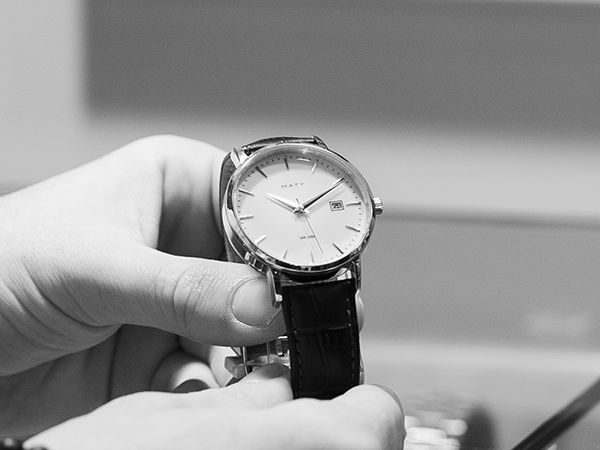
Watches: instructions for use, buying guide and advice
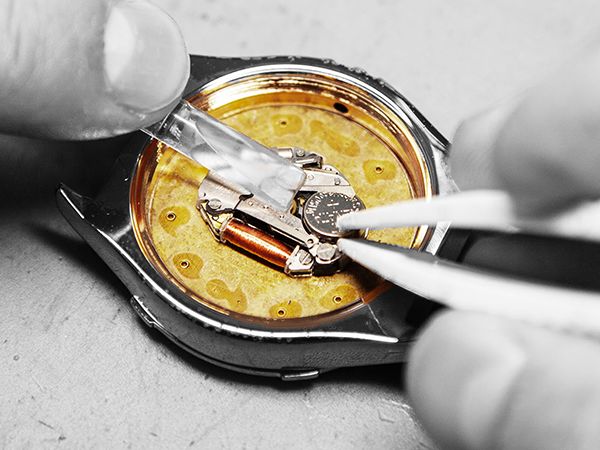
Changing the battery in your watch